How Does Drinking Coffee Help Your Body and Brain?

Posted Posted in Jayne's blog

How does drinking coffee help your body and your brain?

Are there differences to the health benefits of coffee versus espresso?

Is coffee really good for you – or just okay?

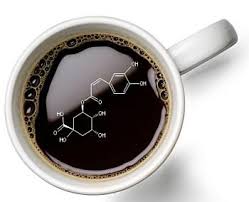
Let’s take a look at the science behind – and in – your cup of coffee.

The Netherlands ranks number 3 in the world’s top coffee consumers, with Finland and Norway at number 1 and 2. Each day 67% of the Dutch drink an average of 3 cups of coffee a day – a massive 6.5 million litres – making that 150 litres per person per year. The biggest group of coffee consumers are the 65+ age group, the smallest are the 16-24 age group. Across all age groups men drink more than women.

The coffee giant Starbucks has 21,000 locations in the world (with about 12,000 of those being in the US) and coffee consumption continues to rise. Global demand is expected to increase by an extra 40-50 million bags of coffee over the next decade which is more than Brazil’s entire yearly production. With the current threats to coffee crops that come with climate change, the world could possibly face a severe coffee shortage.

So what has us all so hooked? Let’s look at the science behind the making of a good cup of coffee as well as its potential health benefits.

The Science Behind a Good Cup of Coffee

Coffee beans themselves have little to no taste at all. The flavour, the aroma of coffee: it all comes from the roasting process which releases a large number of chemicals from the tiny bean. In fact, the average cup of coffee contains more than 1,000 chemicals. To transfer those delicious chemicals to the hot water in our cup, we run water over those roasted beans. To increase our success, we both grind the beans to increase their surface area (and thus more exposure of those chemicals to the water) and heat the water since higher temperatures (and thus energies) speed up the removal of molecules from a solid.

Lucky for us coffee drinkers, smaller and more water soluble molecules like acids will get extracted first and those tend to be the tastier, less bitter flavours. Coffee drinkers are well aware that not every cup is created equal…

The difference lies not in the beans themselves but in the preparation. For espresso, the beans are very finely ground (almost to the texture of powdered sugar) and the brewing time is much shorter than for regular filter or ‘drip’ coffee. The way to decrease brewing time is to push the water through the ground coffee faster so espresso machines can reach up to 15 atmospheres of pressure to move a cup’s worth of water in less than 30 seconds.

Reasons to Drink Coffee

The practice of drinking coffee dates as far back as the 15th century. Although the growing the coffee plant likely originated in what is now Yemen, legend has it that the power of coffee was first realised by a goat herder in Ethiopia. The herder noticed that his goats became energised and had trouble sleeping after eating the beans.

Despite our long history with the brew, we are still discovering new additions to the list of benefits of drinking coffee. Here are ways drinking coffee helps your body and your brain:

1)   Coffee lowers the risk of developing Parkinson’s disease: One study showed that drinking 4 to 5 cups of coffee a day cut the risk of developing Parkinson’s Disease in half (compared to drinking little or no caffeine). Another recent study found that drinking coffee actually lessened the effects of Parkinson’s among those who already had it.

2)   Coffee offers protection from type 2 diabetes: A study tracking changes in caffeine intake (thus at some level controlling for individual lifestyles) found that those who decreased their coffee consumption by more than one cup per day simultaneously increased their risk of type 2 diabetes by 17%. Those who drink more than three cups of coffee per day reduce their chances by as much as 50%.

3)   Coffee lowers rates of depression: A study of more than 50,000 women in the US found that, while all of the participants began the study free of depression, those who drank more than three cups of coffee per day were found to have a 20% lower risk of developing depression later. Studies including other sexes also found a decreased risk of depression but to a lesser degree (around 10% lower risk). Interestingly, other caffeinated beverages, like sodas, are more likely to increase depression rather than combat it.

4)   Coffee is a great source of antioxidants: Antioxidants help our bodies combat cell damage. While fruits and vegetables are also great sources of antioxidants, studies show that our bodies may absorb them more readily from coffee.

5)   Coffee lowers the risk of liver damage: Too much alcohol consumption damages the liver, and can eventually lead to liver cirrhosis and even liver failure. A study of over 125,000 people found that those who drank at least one cup of coffee per day were 20% less likely to develop liver disease.

6)        Coffee protects against heart disease: Multiple studies have linked coffee consumption to both reduced risk of coronary heart disease and possibly a moderate reduction in the risk of stroke among women.

Among the nearly 70 different kinds of plants that produce coffee beans, the most popular are Coffea Arabica and Coffea Canephora Robusta. The Arabica beans tend to contain more of the chemicals associated with positive effects on the brain while the Robusta variety usually contain more caffeine and chemicals linked to lowered risks of heart disease and type 2 diabetes.

The Negative Effects of Coffee

Are there any downsides to drinking coffee?

The bitter taste of coffee acts as a warning sign that too much coffee, a kind of alkaloid, is not a good thing. Many alkaloids are toxic, so that bitter taste is our body’s defense mechanism, warning our brain not to consume too much.

Current recommendations suggest not surpassing 400 milligrams of caffeine per day (about 3 to 5 cups of coffee, depending on your brew of choice). Too much coffee, and thus caffeine, can lead to anxiety, increased heart rate, and a lack of sleep.

The health benefits of coffee can also depend on what you are putting in your daily cup. A 200ml cup of black coffee only contains about two calories but a tablespoon of cream will add another 50 calories. A 16-ounce Starbucks Peppermint White Chocolate Mocha with whipped cream clocks in at over 550 calories, so again, not all cups of coffee are created equal.

Science seems to be telling us that we can drink up guilt free, but as with most things, moderation is likely key.

And now…you know what I’m going to do, don’t you?

REFERENCES:

Dutch coffee statistics (2018)

https://www.koffiethee.nl/news/uit-het-eerste-nationaal-koffie-thee-onderzoek-blijkt-veel-misverstanden-over-koffie-en-thee/

https://www.koffiethee.nl/wp-content/uploads/2018/10/KoffieThee_NationaalKoffieEnTheeOnderzoek2018_Rapport_DEF.pdf

Coffee consumption demand

https://www.bloomberg.com/news/articles/2015-10-01/global-coffee-shortage-looms-as-market-braces-for-climate-change

Health benefits

A. Ascherio et al. Prospective study of caffeine consumption and risk of Parkinson’s disease in men and women. Ann Neurol. 50(1), 56-63 (2001).

R. Postuma et al.https://www.aan.com/pressroom/home/pressrelease/1096

S. N. Bhupathiraju et al.Changes in coffee intake and subsequent risk of type 2 diabetes: three large cohorts of US men and women. Diabetologia (2014). DOI 10.1007/s00125-014-3235-7.

L. Zheng et al. J. Agriculture Food Chem. (2012).

https://www.acs.org/content/acs/en/pressroom/presspacs/2012/acs-presspac-march-14-2012/why-coffee-drinking-reduces-the-risk-of-type-2-diabetes.html

M. Lucas & F. Mirzaei. Coffee, Caffeine, and Risk of Depression Among Women. Arch Intern Med. 171(17), 1571-1578 (2011). doi:10.1001/archinternmed.2011.393 

H. Chen et al.(2013) https://www.aan.com/PressRoom/home/GetDigitalAsset/10430

J. Vinson et al.https://phys.org/news/2005-08-coffee-source-antioxidants.html

L. Klatsky et al.Arch Intern Med. 166, 1190-1195(2006).

J. N. Wu et al.Coffee consumption and risk of coronary heart diseases: a meta-analysis of 21 prospective cohort studies. Int J Cardiol 12, 137(3), 216-225 (2009).

J. M. de Koning Gans et al.Tea and coffee consumption and cardiovascular morbidity and mortality. Arterioscler Thromb Biol. 30(8), 1665-1671 (2010).

E. Lopez-Garcia et al. Coffee consumption and risk of stroke in women. 119(8), 1116-1123 (2009).

C.-L. Ky et al.Caffeine, trigonelline, chlorogenic acids and sucrose diversity in wild Coffea arabica L. and C. canephora P. accessions. Food Chemistry 75(2), 223-230 (2001).

Studying the Superhuman

Posted Posted in Jayne's blog

At Ernest Hemingway’s old home in Key West (Florida) you’ll find gorgeous gardens filled with tropical palms, a hand-crafted wooden yacht and an in-ground pool—the only one within 160 kilometres at the time of its construction. You’ll also find more than 40 cats, most of which have six toes on their front feet instead of five. As legend has it, after a booze-soaked evening at a local bar, Hemingway was given their six-toed ancestor, “Snow White,” by a waylaid ship captain. On the high seas, these so-called polydactyl cats were cherished for their superior balance and unmatched mousing abilities. Snow White and cats like her also highlight an important concept in neuroscience: the developing brain is flexible enough to wire up to whatever body it finds itself attached to—even if that body is more complex than a “typical” one.

This awe-inspiring flexibility helps the brain translate the extraordinary physical variability among animals—in terms of body size, shape and form—to variability in their behaviours and capabilities. Without it, an animal would not be able to realise the adaptive advantages that come with variability. For example, ancient giraffes with a longer neck had the advantage of being able to feed on higher leaves and so passed the trait on to their descendants. But that neck would have been useless if their brain could not adapt to control it. Likewise, if Michael Phelps hadn’t been able to learn to use his oversize wingspan and feet, he would never have won 23 gold medals.

Are there limits to the brain’s flexibility? The answer may depend on when you ask. For example, certain behaviours and abilities—such as some aspects of language and vision—must be learned during critical periods in early childhood. As you age, it becomes harder for existing neurons to form new connections, and you become more “hardwired.”

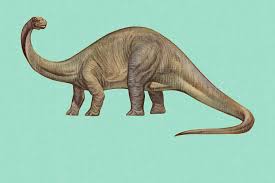
But this fact doesn’t tell us how flexible a new brain might be—or how large and complex an animal a single brain could control. After all, even Brontosaurus, 22 metres in length and weighing in at thousands of kilos had but one brain. Because understanding the brain’s limits might help us transcend them, it should come as no surprise that some of neuroscience’s moon-shot projects—from restoring movement after spinal cord injuries to operating robotic limbs with one’s mind—are focused on the limits of the brain’s flexibility. But how can we study these limits? It turns out that Key West’s expert mousers provide a hint.

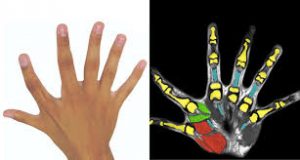
In a thrilling paper published recently in Nature Communications, researchers set out to study the abilities of people with extra fingers. This condition, known as polydactyly, affects roughly two in every 1,000 newborns. But because extra fingers are not generally expected to be functional—and perhaps also because of the stigma attached to unusual physical features—they are usually removed. Yet this is not always the case: some people with polydactyly decide not to have their additional fingers removed. And by studying a mother and son pair who opted to keep their left and right hands’ sixth finger, the researchers made a series of discoveries about its function. These discoveries speak to a remarkable flexibility on the part of the brain and body and suggest that biological variability should be celebrated rather than scorned.

The first discovery was an anatomical one: rather than sharing materials with its neighbors, the sixth finger—in both mother and son—had its own muscles, nerves and tendons. It had comparable strength and independence of movement to the other fingers.

How could a sixth finger become functional? As your brain grows and develops, it builds a “map” of your body. You cannot feel or move the parts of your body that are not represented on this map. The discovery that the mother and son could move their sixth finger therefore prompted researchers to dig into how that finger is represented in their brain.

The scientists found that each of the subjects’ six fingers were represented by distinct areas of the brain’s motor cortex. Consistent with these findings, the subjects had awareness of where in space all six fingers were, even when they could not see their hand. Finally, using a cleverly designed video game, the researchers showed that their six-fingered subjects could perform tasks with one hand that most people would need both hands to achieve. Together, these findings suggest that the brain is not hardwired for five fingers but could foreseeably represent as many digits as might appear on a body. For the trivia buffs out there, the living record for digits goes to an Indian carpenter, Devendra Suthar, with 14 fingers and 14 toes and, presumably, a most interesting brain.

While the present study is limited to just two subjects, its implications are nonetheless far-reaching. Much effort has been spent to understand phantom limb syndrome, but this study is among the first to shed light on a converse phenomenon. In that regard, it is a foundational work for scientists trying to build interfaces between minds and machines. The clear demonstration that a sixth finger can shift and expand the function of the hand is a strong argument for the ability of the human brain to control machines more complex than the human body. Put another way, if there is a limit on the brain’s flexibility, this study did not find it.

The investigation of polydactyl hands and the brains that control them is a test case for the advantages of researching the unusual. Scientists take great pains to control and standardise: for example, the potency of a particular drug might be determined in laboratory mice that are virtually identical. But there are those few who chase the exotic and anomalous as in the present case. To understand the advantages of studying the unusual, it helps to reflect on the advantages of being unusual: if legend is to be believed, the game of cat-and-mouse was won at sea, not by the mouse like in the Tom and Jerry cartoons, but by Hemingway’s six-toed cat…..Time to celebrate the unusual and non-standard!

REFERENCES:

Mehring, M. Akselrod et al. Augmented manipulation ability in humans with six-fingered hands. Nature Communications (2019), vol. 10, Article number: 2401.

https://www.guinnessworldrecords.com/world-records/most-fingers-and-toes-(polydactylism)-living-person?fb_comment_id=596275250478630_901497299956422

Do Creative People Use Their Brains Differently to Dream Big?

Posted Posted in Jayne's blog

Five-year-olds invent imaginary friends, teenagers visualise what an amorous crush would be like, and adults plan for job achievements, buying a house or traveling the world. Imagination is a trait that we all possess and use in our daily lives. But if we try to think of situations that are too far from our reality in time or space—perhaps the world in 2500 or what it would be like to live on the moon or Mars—we often have a hard time visualising those scenarios.

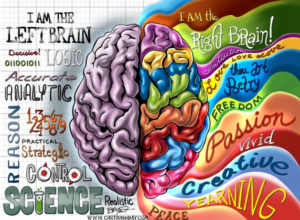
For decades, neuroscientists and psychologists have tried to understand what exactly goes on in the brain when we turn our imaginations loose and what limits the ability of many of us to envision distant scenarios. In a new study, published in the Journal of Personality and Social Psychology last month, researchers report that creative professionals seem to be better than others at surmounting the mental barriers to accessing what researchers have called ‘distal imagination’. Their ability may be explained, in part, by tapping into a brain network that only they can access.

By using the dorsomedial part of what scientists refer to as the brain’s “default network,” creative people can stretch their imagination to more distant futures, places, perspectives and hypothetical realities. The default network consists of a group of interconnected brain regions, including the medial prefrontal cortex, the posterior cingulate cortex, the angular gyrus and the hippocampus. These brain areas talk to each other when we daydream, recall memories or think about the intentions of others. Previous literature suggests that they may also play a role in envisioning the future.

Scientists believe that some of these default network circuits may help us draw from our experiences when we imagine situations that are close to us in time and space. For example, we may think of the sights and smells of a coffee shop we’ve frequented in the past when contemplating a new place to try out in town next week—or next year. Creative professionals, though, engage other default network subsystems when imagining more distant scenarios that can’t be reconstructed by mixing and matching different memories that come to mind. Take the example of a fiction writer. They are imagining somebody else’s point of view in a landscape that’s not [the writer’s] direct reality.

To uncover how creative professionals so vividly picture distant or hypothetical realities, assistant professor of psychological and brain science at Dartmouth College, Meghan Meyer and her colleagues, performed a series of three experiments. First, they asked 300 randomly selected study participants to envision what the planet would be like in 500 years or a world in which the continents had never divided or a life lived as an angry dictator. Participants were also asked to think of as many ways as possible to use a pen or to improve a megaphone. Those who scored high on creativity were rated as better at using distal imagination.

Next, the researchers repeated these tests with 100 participants who had demonstrated some sort of expertise in creativity—writers, actors, directors and visual artists, who had received awards in their fields. They also asked a group of equally successful finance, legal and medical professionals the same questions. The creative professionals outperformed others in written responses and in self-reports of how vividly they could picture the situations in their minds.

Meyer and her team wondered whether the creative professionals simply had stronger “imagination muscles,” the way professional baseball players have more robust throwing arms compared to nonathletes. To see these imagination muscles in action, they asked 27 creative types and 26 control participants to go through simulation tasks while lying in a functional magnetic resonance imaging (fMRI) scanner. Brain activity of the creative professionals and controls was similar when imagining the next 24 hours but to the researchers’ surprise, the creative group alone engaged the dorsomedial default network when imagining events further into the future.

The dorsomedial default network was not active at all among the control group. Yet, this network was switched on even when creative professionals were at rest. This is a big step forward in understanding the creative brain. The findings provide insight into how the brain is able to imagine different situations and what makes creative experts exceptional at imagining distant ones.

The results also have implications for the way we consider other people. Because the dorsomedial default network is involved in thinking about perspectives that differ significantly from our own experiences, people who are able to activate this network may be better able to empathise with others or imagine how public policies may impact future generations. I’d be curious to see how therapists would do on such a test since we also have to shift our perspectives in order to better understand what is going on inside our clients.

The next big question is whether activation of the dorsomedial default network can be improved with training. If it is a trainable ability, maybe taking drawing or writing classes (or something similar) will boost our imagination and help us all better connect with others.

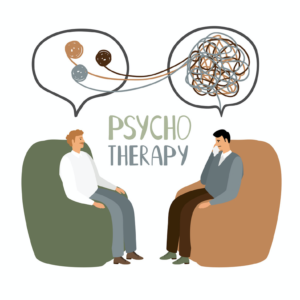
Psychotherapy in a Flash

Posted Posted in Jayne's blog

As a therapist I’ve never subscribed to the ‘you need to do X number of sessions with me’ school of thought. Over the course of the years I’ve noticed that there is no set pattern. Some people are helped with just one session, others come more regularly, and others fall into all the variations in between. I’ve always put this down to the way I work with people: I translate what their body and energy system is trying to tell them so that every session is tailor-made. So I was very interested to unearth some findings on ‘brief but intensive’ therapies for this month’s On the Border.

Psychotherapy is not what most people think of as a quick fix. From its early Freudian roots, it has taken the form of 50- to 60-minute sessions repeated weekly (or more often) over a period of months or even years. For modern cognitive-behavioural therapy (CBT), 10 to 20 weekly sessions is a typical trajectory. But must it be so?

For nearly 20 years Thomas Ollendick, director of the Child Study Center at Virginia Tech, has been testing briefer, more intensive forms of CBT for childhood anxiety disorders and getting results that closely match those of slower versions. His centre often has a waiting list for treatments that include a four-day therapy for obsessive-compulsive disorder (OCD) and a three-hour intervention for specific phobias (such as fear of flying, heights or dogs). Around the U.S. and Europe, short-course therapies for anxiety disorders have begun to catch on, creating a new movement in both adult and child psychology.

The idea originated with Swedish psychologist Lars-Göran Öst, now professor emeritus at Stockholm University. Some 40 years ago Öst got the impression that not all his phobia patients needed multiple weeks of therapy and decided to ask if they would like to try a single, three-hour session. His first taker was a 35-year-old spider-phobic woman. She lived five hours away and was happy to be able to be treated in one go. He later showed the efficacy of the approach in a clinical trial, although it took four years to recruit 20 participants. The reason it took so long was, he discovered, that people with a specific phobia rarely apply for treatment. It appeared that they just adjust their lives [say, avoiding spiders] or think they can’t be helped. Öst went on to work with a team in Bergen, Norway, to test an intensive therapy for OCD known as the Bergen four-day treatment. By the early 2000s Ollendick was adapting brief therapies for adolescents and kids.

The details vary, but the quick treatments have some common features. They generally begin with “psychoeducation,” in which patients learn about their condition and the catastrophic thoughts that keep it locked in place. In Bergen, this is done in a small group. With children, the lessons may be more hands-on and concrete. For instance, Ollendick might help a snake-phobic kid grasp why the creature moves in a creepy, slithering way by having the child lie on the floor and try to go forward without using any limbs.

A second part usually involves “exposure and response prevention,” in which patients confront in incremental steps whatever triggers their anxiety: perhaps shopping, for agoraphobics, or having dirty hands, for people with OCD. With support from the therapist, they learn to tolerate it and see it as less threatening. Patients leave with homework to reinforce the lessons. Parents may be taught how to support a child’s progress.

How well do these approaches work? A 2017 meta-analyisis by Öst and Ollendick looked at 23 randomised controlled studies and found that “brief, intensive, or concentrated” therapies for childhood anxiety disorders were comparable to standard CBT. With the quicker therapies, 54 percent of patients were better immediately post-treatment, and that rose to 64 percent on follow-up—presumably because they continued to practice and apply what they had learned. With standard therapy, 57 percent were better after the final session and 63 percent on follow-up. The severity of symptoms and whether the patient was also taking antianxiety medication did not seem to impact outcomes.

An obvious advantage to quick therapy is that it accelerates relief. Making these briefer therapies more widely available could help address the sad fact that only about a third of patients with anxiety disorders get any kind of treatment. A weeklong therapy could be completed over a school or work vacation. Sufferers in out of the way places who cannot find CBT nearby could be treated during a short out-of-town stay. The intensive approach requires special training and a big shift for therapists—and health insurers— accustomed to the tradition of 50-minute blocks. But is there really anything sacred about that when it’s the person’s best interest at heart?

REFERENCES:

Lars-Göran Öst. One Session Treatment for Specific Phobias. Behaviour Research and Therapy, 1989, volume 27, issue 1, pages 1-7.

https://www.sciencedirect.com/science/article/abs/pii/0005796789901137

Lars-Göran Öst and Thomas Ollendick. Brief, intensive and concentrated cognitive behavioral treatments for anxiety disorders in children: A systematic review and meta-analysis. Behaviour Research and Therapy, 2017, October, pages 134-145.

https://www.ncbi.nlm.nih.gov/pubmed/28772195

Deep-Brain Recordings May Show Where Unhappiness Lives

Posted Posted in Jayne's blog

Do you sometimes get into a bad mood spiral?

You have a thought (that you’re probably not even aware of) and – bang – a bad mood tumbles uncontrollably through your head like a collapsing chain of dominoes.

Before you know it you’re stomping through the house, slamming doors, grunting and your family members are fleeing out the door to get away from you.

Sound familiar?

Neuroscientists are coming closer to understanding how bad moods arise. Thanks to deep brain recordings of electrical activity they’ve found some interesting insights. Dark clouds move over, the sun’s coming out!

The spiral into a bad mood may occur in a brain network that connects two key regions involved with memory and negative emotions, says psychiatrist Vikaas Sohal at the University of California, San Francisco. In a study he co-authored, published in November in Cell, Sohal says he was able to tell if someone’s mood was getting worse just by looking at whether this network was active or not.

Psychiatrists have previously used MRI (magnetic resonance imaging) scans to probe the human brain and the world of emotions within it. This technology can show how brain activity changes within a few seconds, but the brain tends to work a lot faster than that—neurons can fire dozens of times a second. MRI readings might miss things that happen too quickly. Implanted electrodes, however, can measure changes in brain activity up to 1,000 times a second. So when University of California, San Francisco neurosurgeon Edward Chang popped into Sohal’s office with an idea to use internal electrodes to elucidate the neurological underpinnings of mood, Sohal was delighted.

The brain surgery needed to implant electrodes is too risky to perform on healthy individuals for a study like this—but Chang works on epilepsy patients who need them anyway. When other treatments do not work, temporarily implanted electrodes can show what part of the brain is causing seizures, allowing Chang to cut that section out during surgery. By asking such patients to report their moods every few hours, the team hoped they could use the electrodes to get a rare window into emotion and the deep brain. Scientists know that mood is somewhere in the brain but their goal was to see if they could find patterns of activity that indicate what mood is.

Chang implanted electrodes on the surfaces and inside the brains of 21 patients with epilepsy, recording the organs’ activity continuously for seven to 10 days. Then Sohal scoured the recordings for instances when electrodes in different parts of a brain showed identical measurements of electrical activity. Electrical activity of the brain looks like ‘wiggles’ from each electrode when displayed on a graph. Sohal wondered if the size of those ‘wiggles’ and the locations of the peaks go up together in sync across two electrodes. If they did, it would suggest those brain regions are communicating. That is then called a network.

One particular network connecting the hippocampus (an area linked to remembering) and the amygdala (an area linked to negative feelings and fear) began appearing over and over in the measurements. That was the researchers’ first big ‘Aha!’ moment. Whenever those two brain regions created synchronised electrical pulses that fluctuated between 13 to 30 times a second, people reported their moods getting worse. The researchers found that when there was less activity in this network, mood was more positive. When there was a lot of activity in the network, mood was negative.

The finding brings scientists closer to understanding how the brain creates bad moods. There’s a major open question in psychiatry: How do you construct emotion or mood? People have a very vague idea of what it means to perceive or have an emotion in the brain. This study is a big step for neuroscience.

Sohal team’s findings spark ideas about how the brain generates negative moods. It’s possible, for example, that when these two brain regions work together they create a vicious cycle that drags you down a bad road. It’s easy to imagine that you might be feeling bad, and then remembering bad experiences, and then feel worse.

If that’s right, doctors might figure out how to interrupt that cycle with deep-brain stimulation or electroshock therapy for people with major depressive and anxiety disorders. If this is the part of the brain that makes you feel bad, maybe you could reverse how that’s firing and get yourself to feel better….but it will be a long haul before this knowledge could be used in the clinical setting. However, for those of us in the psychotherpay and healing arenas, becoming aware of your triggering throughts and then shifting them is a great way to bypass this downward spiral.

How Proper Breathing Brings You Better Health

Posted Posted in Jayne's blog

As newborns, we enter the world by inhaling. In leaving, we exhale. (In fact, in many languages the word “exhale” is synonymous with “dying.”) Breathing is so central to life that it is no wonder humankind long ago noted its value not only to survival but to the functioning of the body and mind and began controlling it to improve well-being.

As early as the first millennium B.C., both the Tao religion of China and Hinduism placed importance on a “vital principle” that flows through the body, a kind of energy or internal breath, and viewed respiration as one of its manifestations. The Chinese call this energy qi, and Hindus call it prana (one of the key concepts of yoga).

A little later, in the West, the Greek term pneuma and the Hebrew term rûah referred both to the breath and to the divine presence. In Latin languages, spiritus is at the root of both “spirit” and “respiration.”

Recommendations for how to modulate breathing and influence health and mind appeared centuries ago as well. Pranayama (“breath retention”) yoga was the first doctrine to build a theory around respiratory control, holding that controlled breathing was a way to increase longevity.

In more modern times, German psychiatrist Johannes Heinrich Schultz developed “autogenic training” in the 1920s as a method of relaxation. The approach is based partly on slow and deep breathing and is probably still the best-known breathing technique for relaxation in the West today. The contemporary forms of mindfulness meditation also emphasize breathing-based exercises.

In fact, every relaxation, calming or meditation technique relies on breathing, which may be the lowest common denominator in all the approaches to calming the body and mind. Research into basic physiology and into the effects of applying breath-control methods lends credence to the value of monitoring and regulating our inhalations and exhalations.


Mind under the Influence

Even a rudimentary understanding of physiology helps to explain why controlled breathing can induce relaxation. Everyone knows that emotions affect the body. When you are happy, for instance, the corners of your mouth turn up automatically, and the edges of your eyes crinkle in a characteristic expression. Similarly, when you are feeling calm and safe, at rest, or engaged in a pleasant social exchange, your breathing slows and deepens. You are under the influence of the parasympathetic nervous system, which produces a relaxing effect. Conversely, when you are feeling frightened, in pain, or tense and uncomfortable, your breathing speeds up and becomes shallower. The sympathetic nervous system, which is responsible for the body’s various reactions to stress, is now activated. Less well known is that the effects also occur in the opposite direction: the state of the body affects emotions. Studies show that when your face smiles, your brain reacts in kind—you experience more pleasant emotions. Breathing, in particular, has a special power over the mind.

This power is evident in patients who have breathing difficulties. When these difficulties are sporadic and acute, they can trigger panic attacks; when they are chronic, they often induce a more muted anxiety. It is estimated that more than 60 percent of people with chronic obstructive pulmonary disease (COPD) have anxiety or depressive disorders. These disorders probably stem in part from concerns about the consequences of the disease (what could be more distressing than struggling to breathe?), but purely mechanical factors may contribute as well: the difficulty these patients experience often leads to faster breathing, which does not necessarily improve the quality of their oxygen supply but can aggravate their physical discomfort and anxiety.

Rapid breathing can contribute to and exacerbates panic attacks through a vicious circle: fear triggers faster breathing, which increases fear. In 2005 Georg Alpers, now at the University of Mannheim in Germany, and his colleagues observed significant and unconscious hyperventilation when people who had a driving phobia took their vehicles on the highway (where they might not be able to pull over if they become agitated).

Whether anxiety derives from breathing problems or other causes, it can be eased by a number of breathing techniques derived from traditional Eastern approaches (see “Six Techniques for Relieving Stress”). For example, “follow your breath,” an exercise that focuses attention on breathing, is one of the first steps in mindfulness meditation, whereas alternate nostril breathing comes from yoga. Combining reassuring thoughts with breathing is an approach incorporated into sophrology, a technique that emphasises harmony of body and mind and that borrows exercises from many approaches, including yoga and mindfulness.

Overall, research shows that these techniques reduce anxiety, although the anxiety does not disappear completely. Breathing better is a tool, not a panacea. Some methods have been validated by clinical studies; others have not. But all of those I describe in this article apply principles that have been proved effective. They aim to slow, deepen or facilitate breathing, and they use breathing as a focal point or a metronome to distract attention from negative thoughts.

Spotlight on Cardiac Coherence

A close look at one popular technique—cardiac coherence—offers more detail about the ways that breathing exercises promote relaxation. With the help of biofeedback, the approach attempts to coordinate breathing with heart rate, slowing and steadying breathing to slow and stabilise the heartbeat.

The method was developed based on the understanding that slow, deep breathing increases the activity of the vagus nerve, a part of parasympathetic nervous system; the vagus nerve controls and also measures the activity of many internal organs. When the vagus nerve is stimulated, calmness pervades the body: the heart rate slows and becomes regular; blood pressure decreases; muscles relax. When the vagus nerve informs the brain of these changes, it, too, relaxes, increasing feelings of peacefulness. Thus, the technique works through both neurobiological and psychological mechanisms.
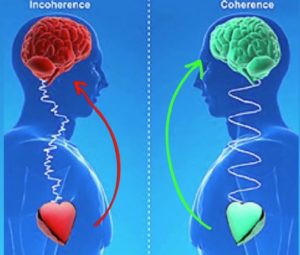
Cardiac coherence’s stabilisation of the heartbeat can dampen anxiety powerfully. Conversely, patients with overactive heartbeats are sometimes misdiagnosed as victims of panic attacks because their racing heartbeat affects their mind.

A typical cardiac coherence exercise involves inhaling for five seconds, then exhaling for the same amount of time (for a 10-second respiratory cycle). Biofeedback devices make it possible to observe on a screen how this deep, regular breathing slows and stabilises the beats. (The space between two heartbeats on the display is never exactly the same, but it becomes increasingly more consistent with this technique.) Several studies have confirmed the anxiety-diminishing effect of these devices, although the equipment probably has more influence on the motivation to do the exercises (“It makes it seem serious, real”) than on the physiological mechanisms themselves. Simply applying slow breathing with the same conviction and rigour could well give the same result.

Some versions of cardiac coherence recommend spending more time on exhaling than on inhaling (for example, six and four seconds). Indeed, your heart rate increases slightly when you inhale and decreases when you exhale: drawing out the second phase probably exerts a quieting effect on the heart and, by extension, on the brain. This possibility remains to be confirmed by clinical studies, however.

Other work suggests that the emotional impact of the breathing done in cardiac coherence and various other kinds of exercises stems not only from effects on the periphery—on the parasympathetic nervous system—but also from effects on the central nervous system. Breathing may well act directly on the brain itself.

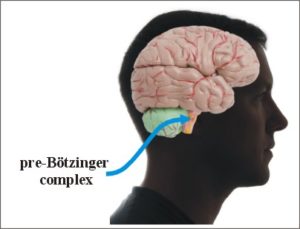
In 2017, for instance, Mark Krasnow of Stanford University and his colleagues showed in mice that a group of neurons that regulates respiratory rhythms (the pre-Bötzinger complex in the brain stem) controls some of the activity of the locus coeruleus, a region involved in attention, wakefulness and anxiety. Breathing techniques may influence this seat of emotions by modulating the activity of the pre-Bötzinger complex.
Beyond any direct effects produced by slowed breathing, the attention given to inhaling and exhaling may play a role in the brain’s response. In 2016 Anselm Doll and his colleagues, all then at the Technical University of Munich, showed that this attentional focus eases stress and negative emotions, in particular by activating the dorsomedial prefrontal cortex, a regulatory area of the brain, and by reducing activity in the amygdala, which is involved in these emotions.
In addition, paying attention to breathing causes most people to slow it down and to deepen it, which as I have mentioned, is soothing. Cognitive resources are limited, and so when individuals concentrate on breathing, they are not thinking about their worries. Those who practice mindfulness learn to notice when their attention drifts away from breathing and goes back to their concerns, and they train themselves to return periodically to their breathing. This refocusing has a relaxing effect on anyone and helps to combat ruminative thinking in people who have anxiety or depression, especially those who are particularly prone to negative thoughts that run in a loop.

When to Use Breathing Techniques

What is the best time to apply slow-breathing techniques? One is during occasional episodes of stress—for example, before taking an exam, competing in a sporting event or even attending a routine meeting at work. In 2017 Ashwin Kamath of Manipal University in India and his colleagues studied stage fright before a public speaking engagement. The participants, all medical students, spent 15 minutes doing alternate nostril breathing—that is, slowly inhaling through one nostril and exhaling through the other by applying finger pressure to the side of the nose not being used. Compared with members of the control group, participants experienced somewhat less stress when speaking publicly.

These exercises may also help when insomnia strikes. In 2012 Suzanne M. Bertisch of Harvard Medical School and her colleagues reported, based on survey data, that more than 20 percent of American insomniacs do these breathing exercises to sleep better. They may be on to something. In 2015 Cheryl Yang and her team at National Yang-Ming University in Taiwan showed that 20 minutes of slow breathing exercises (six respiration cycles per minute) before going to bed significantly improves sleep. Insomniac participants went to sleep faster, woke up less frequently in the night and went back to sleep faster when they did wake up. On average, it took them only 10 minutes to fall asleep, almost three times faster than normal. The investigators attributed the results both to the calming mediated by the parasympathetic system and to the relaxing effect of focused breathing.

But respiratory techniques do not work only for acute stresses or sleep problems; they can also relieve chronic anxiety. They are particularly effective in people with psychiatric disorders such as phobias, depression and post-traumatic stress disorder. In 2015 Stefania Doria and her colleagues at Fatebenefratelli e Oftalmico Hospital in Milan, Italy, offered 10 training sessions of two hours each, spread out over two weeks, to 69 patients with anxiety or depressive disorders. The training included a varied set of breathing techniques (such as abdominal breathing, acceleration and deceleration of rhythm, and alternate nostril breathing.), combined with some yoga stretches. The researchers observed a significant decrease in symptoms at the end of the protocol. Even better, improvement was maintained two and six months later, with follow-up sessions just once a week and some home practice during this period.

Breathing exercises also help to counter the accumulation of minor physical tension associated with stress. Therapists recommend doing them regularly during the day, during breaks or at moments of transition between two activities: you simply stop to adjust your posture and allow yourself a few minutes of quiet breathing. Therapists often suggest the “365 method”: at least three times a day, breathe at a rhythm of six cycles per minute (five seconds inhaling, five seconds exhaling) for five minutes. And do it every day, 365 days a year. Some studies even suggest that, in addition to providing immediate relief, regular breathing exercises can make people less vulnerable to stress, by permanently modifying brain circuits. In a practice that may seem counterintuitive, however, counsellors may encourage some anxious patients to breathe rapidly instead of slowly, as part of an effort to train them to cope with their anxieties.

But why confine breathing techniques to negative emotions? It is also worth applying them during pleasurable moments, to take the time to appreciate and remember them. In short, one can pause and breathe for enjoyment as well as to calm down.

Open Questions

Tradition and experience encourage the use of respiratory-control techniques, and scientific studies increasingly suggest that it is a good idea. Nevertheless, further research is still needed, particularly given that some studies lack control groups. One exception stands out: focusing on breathing often is NOT a good idea for people having a panic attack that stems from anxiety over their physical state (also known as interoceptive anxiety). In this case, focusing on physiology, such as muscle tension or breathing, may actually amplify panic (“Now that I’m paying attention to it, my breathing doesn’t seem regular. Am I choking? What will happen if I suddenly stop breathing?”) For these people, breathing techniques should be tested and practiced under the supervision of a therapist.

Otherwise, considering how often everyone experiences emotional discomfort in their everyday life and its negative consequences on health, we would all do well to regularly pay attention to the way we breathe. Start with brief periods of conscious, quiet breathing several times a day. Breathing is like solar energy for powering relaxation: it’s a way to regulate emotions that is free, always accessible, inexhaustible and easy to use.

Maybe we are intimidated by the sacred aspect of breathing, by its connection to life and, especially, to death. In the 1869 novel The Man Who Laughs, Victor Hugo wrote: “Generations are puffs of breath, that pass away. Man respires, aspires, and expires.” Ultimately, we don’t like to think that we are nothing more than “puffs of breath.”

Six Techniques for Relieving Stress

Here are some commonly used breathing techniques. Five to 10 minutes of exercise can relieve sporadic stress and even fend off panic attacks. More regular practice can lower the daily levels of anxiety.

Stand Up Straight

Posture is important for breathing: hold yourself straight, without stiffness, shoulders back, sitting or standing. This body posture facilitates the free play of the respiratory muscles (of the diaphragm and between the ribs). Good posture enables your body to breathe properly on its own.

Follow Your Breath

Simply observe your respiratory movements: be aware of each inhalation and exhalation. Focus on the sensations you feel as air passes through your nose and throat or on the movements of your chest and belly. When you feel your thoughts drift (which is natural), redirect your attention to your breath.

Abdominal Breathing

Breathe “through your stomach” as much as possible: start by inflating your belly by inhaling, as if to fill it with air, then swell your chest; as you exhale, first “empty” your stomach, then your chest. This type of breathing is easier to observe and test while lying down, with one hand on your stomach.

Rhythmic Breathing

Near the end of each inhalation, pause briefly while mentally counting “1, 2, 3” and holding the air before exhaling. This counting while not breathing can also be done after exhaling or between each inhalation or exhalation. It is often recommended for anxious patients to calm anxiety attacks because it induces a beneficial slowing of the breathing rate.

Alternate Nostrils

Breathe in and out slowly through one nostril, holding the other one closed using your finger; then reverse and continue by alternating regularly. There are many variations of this exercise—for example, inhaling through one nostril and exhaling through the other. Research suggests that what is most important, aside from slowing the breathing rhythm, is breathing through the nose, which is somewhat more soothing than breathing through your mouth.

Think Reassuring Thoughts While Breathing

With each breath, think soothing thoughts (“I am inhaling calm”). With each exhalation, imagine that you are expelling your fears and worries (“I am exhaling stress”).

References

Efficacy of Paced Breathing for Insomnia: Enhances Vagal Activity and Improves Sleep Quality. H. J. Tsai et al. in Psychophysiology, Vol. 52, No. 3; pages 388–396; March 2015.

Self-Regulation of Breathing as a Primary Treatment for Anxiety. Ravinder Jerath et al. in Applied Psychophysiology and Biofeedback, Vol. 40, No. 2, pages 107–115; June 2015.

Mindful Attention to Breath Regulates Emotions via Increased Amygdala-Prefrontal Cortex Connectivity. Anselm Doll in NeuroImage, Vol. 134, pages 305–313; July 1, 2016.

2 Tips To Recover From Romantic Heartbreak

Posted Posted in Jayne's blog

We’ve been experiencing heartbreak for millennia and yet most of us still use the same coping and recovery mechanisms we did thousands of years ago: time, social support, and unfortunately, substances (eg, alcohol, drugs, food). Despite recent advances in our scientific understanding of how we are impacted by heartbreak, little has changed in how we go about recovering from this emotionally devastating experience. As a thor Guy Winch describes in his book How to Fix a Broken Heart, the biggest mistake we make is that we go on “autopilot” and assume the only thing we can do to recover is give it time. Yes, time helps, as does social support, but new studies are verifying that there are all kinds of other steps we can and should take to soothe the emotional pain we feel and expedite our recovery.

A recent study in the Journal of Experimental Psychology examined cognitive and behavioural strategies for recovering from heartbreak. The premise of the study was that to recover from heartbreak we need to diminish our feelings of love for our ex-partner. While that might seem terribly obvious, consider that heartbreak often makes most of us do the opposite: We enact thoughts and behaviours that actually reinforce our love feelings (eg, stalking our ex on social media, reliving our best moments, pouring over old images and video of happy times). The goal of the study was to examine three kinds of emotional regulation strategies to see which of them would help heartbroken subjects reduce their love feelings.

In the first condition, subjects focused on negative reappraisals of their ex-partner (eg, by responding to prompts about their ex’s annoying habits). In the second condition they were asked to reframe their loving feelings as less problematic (eg, by endorsing prompts such as ‘It’s okay to love someone I’m no longer with’). The last condition used distraction (eg, questions about the subjects’ favourite food) to get the participants’ mind off their heartbreak. The researchers found that only negative reappraisals were truly effective in reducing love feelings. However, doing so did increase feelings of unpleasantness.

Unfortunately, it is those very feelings of “unpleasantness” that make it challenging to use negative reappraisals as a way to recover from heartbreak. We might accept, on an intellectual level, that by focusing on our ex’s faults we’re doing something important but it can still feel wrong (unpleasant), unbalanced, unfair, and even disloyal.

From working with clients in my practice who feel heartbroken, I’ve found that there are two things we can do to minimise these feelings of unpleasantness and thus feel freer to practice negative reappraisals of our ex. First, we need to frame the task differently. Specifically, we need to consider that when we are heartbroken, our mind is likely to bombard us with highly idealised snapshots, memories and thoughts both about our ex and about our relationship. We tend to remember only the best times and our ex’s best qualities. In other words, our mind is already creating unbalanced and inaccurate perceptions that are highly skewed to the positive. Therefore, our introduction of negative reappraisals does not create an imbalance, it corrects an existing one. Do I hear a cheer go up?

Second, negative reappraisals should include not just our perceptions and memories of our ex but of the relationship as well. We tend to idealise the relationship just as much as we do the person and think almost exclusively of the good times and the happy moments. We are far less likely to consider the compromises we had to make, the fights that hurt our feelings or frustrated us, or our unmet emotional needs. People often grieve both the person and the relationship itself—the experience of being a couple, having a significant other, the companionship and partnering. Therefore, it is necessary to address idealised perceptions of the relationship by introducing negative reappraisals of our couplehood, as well as of our ex as a person, in order to more effectively reduce feelings of attachment and love.

If you are trying to get over heartbreak, make a list of the person’s faults as well as of the shortcomings of the actual relationship and keep that list on your phone (or stuck on the fridge door). Whenever you find yourself having idealised thoughts and memoires, whip out your phone (or go to the fridge) and read a few reminders in order to balance your perceptions and remind yourself that your ex was not perfect and neither was the relationship.

One crucial aspect of recovery from heartbreak that was not covered in the current study is that breakups leave all kinds of voids in our lives. Our social circle gets diminished, our activities change, our physical space changes (eg, their ‘stuff’ is no longer there), some of the things we did as couples we no longer do, and the list goes on.  A significant part of the emotional pain we feel after a breakup is related to these other losses, the ripple effects that go beyond the loss of the actual person. Finding ways to recognise these voids and fill them is an important task of recovery from heartbreak and one that is often neglected.

Heartbreak is a form of grief and loss that can cause insomnia, changes in appetite, depression, anxiety and even suicidal thoughts and behaviour, and as such it should be taken very seriously, as should our efforts to recover. However, to do so, we have to assert control and consciously and willfully prevent ourselves from making mistakes that will set us back (like staying in touch or trying to be friends while we’re still heartbroken) and encourage ourselves to take steps that might feel unpleasant or counterintuitive, but that will ultimately diminish our emotional pain and speed up our recovery. Do I hear a second cheer?!

References

Winch, G. How to Fix a Broken Heart. Simon & Schuster/TED books. 2018.

Langeslag, S.J.E. and Sanchez, M.E. Down-regulation of love feelings after a romatic break-up: Self report and electrophysiological data. J. Exp. Psychol. Gen. 2018, 147)5), 720-733.

Forever Young: 8 insights for a healthy long life

Posted Posted in Jayne's blog

What factors do you need to reach a ripe old age and still be in good health?

Studies of people living in the so-called ‘Blue Zones’ have revealed some fascinating insights. A Blue Zone is an area with a remarkably high number of centenarians and there are 5 official Blue Zones in the world: Sardinia (Italy), Okinawa (Japan), Nicoya peninsula (Costa Rica) and Ikaria (Greece). Research conducted over the past 15 years has shown that these areas of longevity are due largely to a result of the lifestyle and to a limited extent, their genes. This offers a learning opportunity for those of us living outside of those areas. What lessons do these areas teach us?

Healthy elderly

At the end of the previous century, scepticism about remarkably long-living populations was still prevalent among experts. They were entirely unconvinced when Italian researchers claimed to have identified an especially long-living population in the mountains of Sardinia. Doctor and biomedical researcher Giovanni Pes vividly recalls the time he presented his results at a conference in Montpellier. Pes told those present that the Sardinians did not only live exceptionally ling, but that the men live as long as the women, too. Everyone thought he was lying…

Belgian demographer Michel Poulain was sceptical as well. But he was the only person prepared to visit Sardinia and see for himself. Together with Pes, he undertook an expedition in January 2000 to verify the ages of the Sardinians using birth registers: 40 centenarians turned out to be as old as Pes had said. Poulain convinced him, however, that there was a more remarkable aspect to his discovery: a particularly high number of healthy elderly people in a concentrated area. Armed with a map of the region, they went from village to village. Each time they confirmed that the inhabitants were indeed very old, they marked the region on the map in blue – hence the term Blue Zone. In total they visited 40 out of the 377 municipalities, and 14 of these, with a total of about 40 000 inhabitants, were coloured blue.

Poulain concluded that Pes and his colleagues had been right. Moreover, by matching data from the birth register with the death register, he noticed that several generations of Sardinians had become exceptionally old. This apparently upset Poulain’s colleagues because they’d counted on him to undermine the Italian findings….

Find more zones

It would take years for Poulain and Pes to convince their colleagues. (In fact, a counter-expedition had been organised without their knowledge). The duo decided to study the Sardinians more extensively, and Poulain began looking for similar areas elsewhere. He was accompanied by National Geographic journalist Dan Buettner, who wanted to write about these enduring communities.

Buettner has read about the population of the Japanese island of Okinawa, which was believed to have the longest healthy life expectancy in the world: about 87 years for women and 81 for men (in The Netherlands its 83 years for women and 80 for men; in the US it’s 81 and 76). Working with a number of researchers, he collected information about the people of Okinawa and managed to gather funds to finance a request to find more Blue Zone regions with Poulain. The latter had managed to find two more area, in addition to Okinawa and Sardinia: the Nicoya peninsula in Costa Rica and the Greek island of Ikaria. There is some difference of opinion on the uniqueness of these areas: Ikaria is said not to be the most ‘blue’ Greek island, for example, but it’s clear that the people in these areas are doing relatively well.

In 2005, Buettner published and extensive cover feature in National Geographic magazine. This feature added a fifth area: Loma Linda in California. Here, a community of Seventh Day Adventists were living about ten years longer than the rest of the US population. According to Poulain, Loma Linda is not strictly speaking a Blue Zone because it’s not a clearly defined area. Seventh Day Adventists live across the world, and the longevity researchers have not gathered any hard data on it. Loma Linda apparently ended up on the list because National Geographic wanted to include an area in the US….

You are what you eat

As these zones were identified, the most intriguing questions needed to be answered: what typifies these communities, in what ways are they alike, and what can people elsewhere learn from them?

One theory states that these relatively isolated populations has simply been blessed with super genes. Poulain was convinced that this was not the case. The people in Blue Zones do not differ substantially from those in the surrounding areas. The key difference though is their lifestyle. Poulain found that, owing to their isolation, these communities have managed to preserve a culture that has disappeared in other places.

Communities in the Sardinian Blue Zone mainly consists of shepherds. They walk a great deal, eat very little meat and consume a lot of (goat’s) milk and cheese, as well as wholegrain cereals and home-grown fruit and vegetables. In addition, they are strongly attached to their family and friends and regularly drink a glass or two of red wine. Ikarians also consume a great deal of goat’s milk, fruit and vegetables and are close to their families. They, too, drink lots of herbal tea and regularly take afternoon naps. On Okinawa, people spend a great deal of time gardening. Their diet is largely vegetable-based, and it is customary to stop eating well before you’re full. They have a phrase for it: Hara Hachi Bu   – eat until you’re 80% full. They consume 15% fewer calories than other Japanese. On Okinawa, social networks, called moai, are remarkably strong and can be relied on in difficult times. In Nicoya, people like to eat a hearty breakfast, a fairly large lunch and a light evening meal – just like most Blue Zoners.

Retire or not?

So what is the common denominator? Blue Zoners lead relatively simple and natural lives. However ,it would be wrong to say that they do not suffer from any stress or have any concerns. They, too, worry about their health, money and their children’s future. However ,they have certain rituals and customs that allow them to deal with those concerns. Moreover, they have a sense of purpose. They know exactly what they are doing for their family or community, for example. Older people are valued for their wisdom, rather than being written off on account of their diminishing physical and mental fitness.

It is striking that Blue Zoners do not make a sharp distinction between work and leisure time, and never officially retire. They simply continue to work until it becomes physically impossible. This gives them great satisfaction. This is quite the contrast to many areas in the rest of the world where the working population would rather retire as soon as possible!

It’s also a misconception that Blue Zones only spring up in primitive areas, where modernity has not yet penetrated. Blue Zones arise at the intersection of modernity and tradition. Their inhabitant enjoys the benefits of modern life, such as electricity and good health care, but not the burdens, such as agitation, lack of exercise and poor nutrition.

Because the delineation between modernity and tradition is so narrow, Blue Zones are coming under pressure. Especially in Okinawa, which was in the hands of the Americans between 1945 and 1972. A Western lifestyle gradually became more prevalent, and the younger generation now lives much less healthy lives than their parents. According to Poulain, Okinawa is no longer a Blue Zone because life expectancy there is no longer significantly higher than in the rest of Japan. The other zones are also grappling with problems. Ikaria, and to a lesser extent Sardinia, are impacted by tourism, partly resulting from their Blue Zone status. This makes is even more important to collect as much information as possible while the areas still exist.

Change the environment

How can we learn from the Blue Zones? In the Western world, the average life expectancy has increased over the past decades thanks to improved health care – there are fewer deaths as a result of cardiovascular diseases and cancer – but if we do adopt more healthy lifestyles, life expectancy would be considerably higher. Poulain estimates that we have gained 10 years through improved healthcare, but have lost 8 years as a result of our unhealthy way of life.

The unhealthy lifestyle is largely the result if environmental factors. The Blue Zones are different in that respect. For Blue Zoners, a healthy life is the ‘default option’: they do not have to worry about resisting the temptation of tasty but unhealthy food, getting enough exercise or seeing their family regularly. This means they suffer far less from cardiovascular disease, cancer and dementia. So perhaps one of the most important lessons is to nudge yourself towards a healthy lifestyle.

According to Buettner, if we want to grow old in the same way as the Blue Zoners, we shouldn’t focus in changing our lifestyle, but on changing our environment. This is not always easy. For example, it might mean finding a different circle of friends. People with healthy friends have a much greater chance of leading a healthy lifestyle. If your friends love smoking, getting drunk and barbecues, it could be difficult for your to avoid these things completely.

So what could you do to make your life more like a Blue Zone life?

Here are 8 Blue Zone findings for growing old healthily:

  1. Move naturally

The gym isn’t necessary, if you move around enough in your daily life, for example, walking, cycling, gardening and physical work.

  1. Seek a purpose

In our individualistic society, it can be hard to decide what you’re about. Blue Zoners, though, have a strong sense of purpose. They are committed to their children, community and the common good.

  1. Take breaks

Take time to rest to avoid physical and mental stress, for example, by meditating.

  1. Abide by the 80% rule

Eat at a steady pace and stop when your stomach is 80% full.

  1. Eat more vegetables

Eat meat only a few times each week. Beans are a good basis for the rest of the week’s diet.

  1. Enjoy your glass of wine

Become a moderate drinker just like the Blue Zoners

  1. Find the right environment

An environment in which healthy choices are self-evident helps to avoid unhealthy behaviour.

  1. Being with loved ones

There’s nothing wrong with ambition and pleasure in work and hobbies, but your family and close friends are important too.

Now those sound almost like New Years Resolutions! Happy New Year and may 2019 bring you all that you’d most wish for yourself.

Is There No Limit to How Long We Can Live?

Posted Posted in Jayne's blog

There might be no natural limit to how long humans can live—at least not one yet in sight—contrary to the claims of some demographers and biologists. That’s according to a statistical analysis published in Science on the survival probabilities of nearly 4,000 ‘super-elderly’ people in Italy, all aged 105 and older.

A team led by Sapienza University demographer Elisabetta Barbi and University of Roma Tre statistician Francesco Lagona, both based in Rome, found that the risk of death—which, throughout most of life, seems to increase as people age—levels off after age 105, creating a ‘mortality plateau’. At that point, the researchers say, the odds of someone dying from one birthday to the next are roughly 50:50.

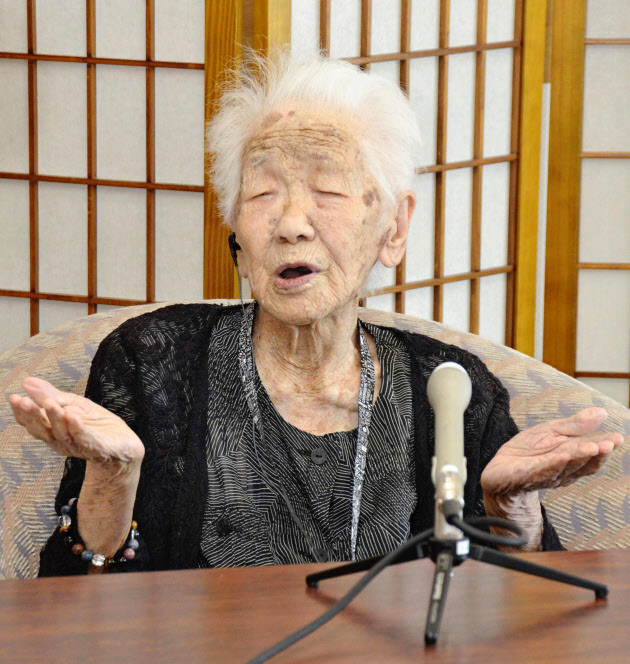
If there is a mortality plateau, then it would seem that there is no limit to human longevity….That would mean that someone like Kane Tanaka, the Japanese lady who, at 115, is the world’s oldest known person, could live for years to come—or even forever, at least hypothetically.

Researchers have long debated whether humans have an upper age limit. The consensus holds that the risk of death steadily increases in adulthood, up to about age 80 or so. But there’s vehement disagreement about what happens as people enter their 90s and 100s.

Some scientists have examined demographic data and concluded that there is a fixed, natural ‘shelf-life’ for our species and that mortality rates keep increasing. Others have looked at the same data and concluded that the death risk flattens out in one’s ultra-golden years, and therefore that human lifespan does not have an upper threshold.

Age rage

In 2016, geneticist Jan Vijg and his colleagues at Albert Einstein College of Medicine in New York City rekindled the debate when they analysed the reported ages at death for the world’s oldest individuals over a half-century. They estimated that human longevity hit a ceiling at about 115 years—125 tops.

Vijg and his team argued that with few, if any, gains in maximum lifespan since the mid-1990s, human ageing had reached its natural limit. The longest known lifespan belongs to Jeanne Calment, a French super-centenarian who died in 1997 at age 122. (What tickles me enormously is that Jeanne apparently ‘lived long due to a heavy reliance on chocolate, olive oil, cigarettes and cheap red wine’). 

Experts challenged the statistical methods in the 2016 study, setting off a firestorm into which now step Barbi and Lagona. Working with colleagues at the Italian National Institute of Statistics, the researchers collected records on every Italian aged 105 years and older between 2009 and 2015—gathering certificates of death, birth and survival in an effort to minimise the chances of ‘age exaggeration’, a common problem among the oldest old.

They also tracked individual survival trajectories from one year to the next, rather than lump people into age intervals as previous studies that combine data sets have done. And by focusing just on Italy, which has one of the highest rates of centenarians per capita in the world, they avoided the issue of variation in data collection among different jurisdictions. As such, these data provide the best evidence to date of extreme-age mortality plateaus in humans.

Ken Wachter, a mathematical demographer at the University of California, Berkeley, and an author of the latest study, suspects that prior disputes over the patterns of late-life mortality have largely stemmed from bad records and statistics. Now that researchers have the advantage of better data, and if this same quality of data can be obtained from other countries, scientists expect to see a similar pattern elsewhere.

A French researcher, Jean-Marie Robine is not so sure. He says that unpublished data from France, Japan and Canada suggest that evidence for a mortality plateau is not as clear cut. A global analysis is still needed to determine whether the findings from Italy reflect a universal feature of human ageing.

Off limits

The world is home to around 500,000 people aged 100 and up—a number that’s predicted to nearly double with each coming decade. Even if the risk of late-life mortality remains constant at 50:50, the swelling global membership in the 100-plus club should translate into a creep upwards in the oldest person alive by about one year per decade, according to Joop de Beer, a longevity researcher at the Netherlands Interdisciplinary Demographic Institute in The Hague.

Many researchers say they hope to better understand what’s behind the levelling off of mortality rates in later life. Siegfried Hekimi, a geneticist at McGill University in Montreal, Canada, speculates that the body’s cells eventually reach a point where repair mechanisms can offset further damage to keep mortality rates level. Why this plateaus out and what it means about the process of ageing is still unclear.

For James Kirkland, a geriatrician at the Mayo Clinic in Rochester, Minnesota, the strong evidence for a mortality plateau points to the possibility of forestalling death at any age. Some experts think that the very frail are beyond repair. But if the odds of dying don’t increase over time, he says, interventions that slow ageing are likely to make a difference, even in the extremely old.

However not everyone buys that argument—or the conclusions of the latest paper.

Brandon Milholland, a co-author of the 2016 Nature paper, says that the evidence for a mortality plateau is “marginal”, as the study included fewer than 100 people who lived to 110 or beyond. Leonid Gavrilov, a longevity researcher at the University of Chicago in Illinois, notes that even small inaccuracies in the Italian longevity records could lead to a spurious conclusion.

Others say the conclusions of the study are biologically implausible: our body’s design imposes basic limitations, for example, cells that do not replicate, such as neurons (even though this is also debatable), will continue to wither and die as a person ages, placing upper boundaries on humans’ natural lifespan.

This study is thus unlikely to be the last word on the age-limit dispute but hopefully the debate – and the research surrounding it – will continue to have a very long (shelf) life.

References:

Barbi, E., Lagona, F., Marsili, M., Vaupel, J. W. & Wachter, K. W. Science 360, 1459–1461 (2018).

Dong, X., Milholland, B. & Vijg, J. Nature 538, 257–259 (2016).

3 Surprising Secrets for Maintaining Your Focus

Posted Posted in Jayne's blog

DOWNLOAD THE ENTIRE NOVEMBER 2018 NEWSLETTER including Freebie

If you’re anything like me you probably have a to-do list that seems to get longer by the hour. Each time a task gets crossed off another 3 get added. Sounds familiar?

Intrigued – and making fun of myself – I dived into some of the latest findings about how to cope with a tsunami of ‘to-do’s’ in an attempt to keep up with myself, and to help you to do the same too.

I’ll cut immediately to the chase: the answer isn’t working harder….it’s how you work that matters.

When life gets hectic and you feel overwhelmed, the temptation is to just try harder. Your inner critical voice piles on the judgements….you skip lunch, have another coffee, cancel the walk with your friend and push through the exhaustion. The solution? Keep doing what you’re doing, but do it better.

But maybe, just maybe, there is a different way. Here’s what I’ve discovered through my trawlings of latest research and insights from science and business. But before we start:

Stop. Breathe. Give your mind a chance to catch up to your body.

With an overflowing to-do list, it can be hard to justify taking a mental break. And when you do, it can be difficult to fully unplug. But research suggests that by being strategic about when you take breaks and what you do during them, you can actually increase your focus and productivity.


The price of burnout

The problem with working harder is that it simply doesn’t work. The human brain isn’t designed to operate at full power all day long. Rather than helping you get closer to your goals, trying to focus for extended periods of time can fry your mental circuits, making it impossible to think clearly. As a result, your decision-making and creativity suffer, and your work slows to a crawl.

A 2011 study conducted by Ariga and Lleras confirmed that the brain is built to detect and respond to change. In other words, our brains literally stop responding to something that is constant and unchanging — like that report you’ve been staring at for the past two hours or the page that you’ve re-read 5 times and still don’t know what you’ve read. As a result, prolonged attention to a single task actually hinders performance.

How can you avoid this productivity drain?

Do something different, even if only for a moment. Ariga and Lleras found that even brief diversions from a task can dramatically improve one’s ability to focus on that task for prolonged periods.

In other words: Do less to do more.

Sustained productivity and focus requires giving your mind plenty of opportunity to rest and recharge, so you can come back stronger than ever.

Wait, that’s it?

Well, yes…and no. Simply taking a break will help you stay focused for longer, but for real superhero-level productivity, it’s vital that you take breaks in an intentional, effective way.

For starters, how often should you take a break? For how long? And what kind of break works best? There are plenty of opinions on the right balance between work and break time:

  • Pomodoro Technique  — One of the most well-known productivity methods, this was developed by Francesco Cirillo and is named for the tomato-shaped kitchen timer that inspired him. In this method, you work for 25 minutes without interruption, then take a five-minute break. Stretch your legs, grab a glass of water, go to the toilet. When the timer goes off again, you’re back to it. The good news is that after your fourth period, you can take a longer break — 15 minutes or more.


  • 52/17 — A more recent study conducted by time-management app, DeskTime, found that the most productive people work for 52 minutes, then take a 17-minute break. The secret to this method’s success is what they call the “100% dedication theory.” In other words, whatever you’re doing, give it your complete attention. As DeskTime says, during the 52 minutes of work, you’re dedicated to accomplishing tasks, getting things done, making progress. Whereas during the 17 minutes of break, you’re completely removed from the work you’re doing — you’re entirely resting.


  • Pulse and Pause — This is the method endorsed by Tony Schwartz of The Energy Project. Similar to the previous techniques, it recommends alternating periods of focused work (“pulse”) and rest (“pause”). The difference is that, in this method, each work period is roughly 90 minutes long. Tony’s research shows that humans naturally move from full focus and energy to physiological fatigue every 90 minutes. Our body sends us signals to rest and renew, but we override them with coffee, energy drinks, and sugar…or just by tapping our own reserves until they’re depleted. Burnout here we come….

Regardless of which you choose, each of these methods embraces the idea that sustained productivity and focus requires giving your mind plenty of opportunity to rest and recharge, so you can come back stronger than ever.


Take ‘good’ breaks

Taking regular breaks is essential for productivity, but that’s only part of the story. How you take those breaks is equally important. When you step away from your screen (or paper, or whatever it is you’re working on), make sure you’re taking a ‘good’ break.

What does a good break look like?


  1. Schedule it

The trouble with downtime is that if you don’t actively plan for it, it often doesn’t happen. You get caught up in what you’re doing, or let guilt creep in to whisper that you’re being lazy. In a study conducted by the retailer Staples, one in five workers and managers cited guilt as the reason they don’t step away from their workspaces.

This is where the productivity methods above can come to your rescue. You use an alarm to wake you to go to work; why not set an alarm to tell you when to stop working as well? Best of all, having a timer tell you when to stop can actually give your conscience a good excuse….You’re not being lazy, you’re just following orders ;=)

As hard as it may be to stop negative talk, remind yourself that taking a break is actually doing yourself (and your work) a huge favour. Regular breaks allow you to perform at a higher level for longer, so you can accomplish more in four to five hours than most people accomplish in eight — or more.


  1. Avoid common break “traps”

The secret to success here seems to be controlling your focus. During work periods, your attention should be solely on the task at hand. Conversely, rest periods should be exactly that. Not checking email or surfing the web. When that well-earned break comes around, step away from your laptop, leave your phone where it is, and try to think about anything other than work.

Believe it or not, even chatting with colleagues can be a trap if all you do is discuss (a.k.a bitch about) what’s going on in the office. When that happens, your mind isn’t able to disconnect and you’re stuck in the same stress-inducing loop. Instead, try to find areas of common interest that don’t revolve around work: favourite bands, a great film you just saw, or your plans for the weekend instead.

It’s also important to manage your energy levels throughout the day by making sure that your body is properly fueled. If you’re lucky enough to work for a company that provides lunch and/or healthy snacks, take advantage of the opportunity to keep some smart food options close at hand. Just keep your portion sizes on the smaller side to avoid the notorious ‘food coma.’


  1. Get moving

The easiest way to make sure you’re taking a ‘good’ break is to get active. Stand up and do some light stretching, or if it’s a nice day, go for a walk outside. Even making a trip to the toilet, or to the kitchen for a glass of water, can be enough to get your blood moving and pump oxygen to your brain. That will help clear your mind and recharge your focus.

While it might not be possible depending on where you live and work, getting back to nature is a great way to improve your concentration and mood. In ‘The Distracted Mind: Ancient Brains in a High-Tech World,’ Adam Gazzaley and Larry Rosen say “Natural environments capture our attention in a bottom-up fashion because natural stimuli are so inherently compelling to us (presumably owing to evolutionary factors). They draw us in but generate minimal top-down responses.” Translated into simple English it means that Nature relaxes us rather than challenges and stresses us!

And as anyone who has experienced the euphoria of completing a challenging workout knows, exercise is not only good for the body but can improve mental clarity and focus as well. Researchers from the University of Sao Paulo discovered that just 10 minutes of exercise is enough to boost memory and attention performance throughout the day. If you’re prone to the dreaded mid-afternoon slump, consider a lunchtime spin class, an up-tempo-walk or going for a jog. One study found that a moderate level of cardio activity can increase productivity and creativity for two hours afterward. Just the thing to help you power through the rest of the day.

So the next time you find yourself overwhelmed and feeling like your creative spark has disappeared, take a break. Rather than trying to crash on through and push yourself even more, stepping back might be exactly what you need to find a better way forward.


References:

Atsunori Ariga, Alejandro Lleras. Brief and rare mental ‘breaks’ keep you focused: Deactivation and reactivation of task goals preempt vigilance decrements. Cognition, 2011; DOI: 10.1016/j.cognition.2010.12.007

Staples article: http://investor.staples.com/phoenix.zhtml?c=96244&p=irol-newsArticle&ID=1928035&highlight=

Christiano Alves, Victor Tessaro & Luis Teixeira. Influence of Acute High-Intensity Aerobic Interval Exercise Bout on Selective Attention and Short-Term Memory Tasks. February 1, 2014 https://doi.org/10.2466/22.06.PMS.118k10w4 

David Blanchette , Stephen Ramocki , John O’del & Michael Casey. Aerobic Exercise and Creative Potential: Immediate and Residual Effects. Pages 257-264 | Published online: 22 Jun 2011 https://doi.org/10.1080/10400419.2005.9651483


Don’t Find Your Passion!

Posted Posted in Jayne's blog

DOWNLOAD THE ENTIRE OCTOBER 2018 NEWSLETTER including Freebie

Before you think I’ve gone completely crazy, let me explain….Research suggests meaningful work can be something you grow into, not necessarily something you discover

On the surface, goals around fulfilment and purpose seem great. Instead of seeking power, status or personal wealth, many are motivated to discover their interests and uncover the path that excites and drives them. They want a career that lights their fire. “Do what you love and you’ll never work a day in your life” or “Do what you love and the money will follow.” Right?

However, recent research by investigators at Yale and Stanford suggests that ‘finding your passion’ as an approach might be a mistake. Rather than seek the one job or career path that ignites our passion, we should try different interests and work to then cultivate a passion in one or more fields. By this view, interests are nurtured over time, but not discovered overnight.

The key clue here is mindset.

Some people adopt a “fixed mindset” approach and search for the one, predestined match in their lives. They expect this match to be enduring, full of excitement, and endlessly fulfilling. Fixed mindsets have been observed with romantic relationships and intelligence. Individuals with “destiny” mindsets about romantic relationships often seek “the one,” and tend to move on when faced with relationship challenges. Individuals with fixed mindsets of intelligence believe that intelligence derives from a fixed talent and cannot be cultivated or nurtured through experience. Across all these domains, fixed mindsets tend to dismiss the idea that exploration and resilience can lead to positive change.

A fixed mindset about interests can be limiting in two ways.

First, it implies that our interests and talents may be narrow or specific. Once we find a path that intrigues us and brings success, we may curb or even abandon exploration of other potential interests.

Second, we may expect pursuit of our one true passion to be easy – after all, this is the pathway that will provide endless drive and excitement, and will yield the greatest achievement. Consequently, instead of demonstrating resilience and perseverance in pursuit of this passion, we may collapse when faced with failure or significant challenge. Difficulty may be perceived as indication that we are simply on the wrong path.

By contrast, individuals with a “growth mindset” believe that interests or passions can be developed or cultivated through experience, investment, and struggle. There is not a single, “right” path to be discovered or revealed; instead, many different interests are possible, even simultaneously. With a growth mindset, success in one arena doesn’t exclude or limit exploration of other interests, nor does difficulty signal the need to change course.

Evidence from five experiments demonstrates that mindsets significantly influence what we expect to happen when pursuing our interests and how we respond to new possibilities and challenges.

In one study, researchers first determined whether participants had a fixed or growth mindset about interests using a simple questionnaire. This survey gauged the extent to which individuals perceived interests to be permanent, steadfast, and static (fixed mindset), or malleable, flexible, and dynamic (growth mindset). Participants then gave answers to several open-ended questions concerning their expectations about outcomes when pursuing a passionate interest. Relative to participants who expressed a growth mindset about interests, those who expressed a fixed mindset were far more likely to expect endless motivation and minimal struggle when pursuing a confirmed passion.

Additional studies demonstrated that mindset influences more than expectations; mindset changes behaviour. In one paradigm, participants read two different articles, one that matched their personal goals and pursuits, and one that did not. Participants rated their interest in each article. When the article content matched participants’ pursuits, having a fixed versus growth mindset did not matter; everyone found the matching article interesting. When the article content mismatched participants’ pursuits, those with a fixed mindset reported far less interest in the material than those with a growth mindset. In other words, a fixed mindset diminished curiosity about topics not directly relevant to one’s primary pursuit.

Mindset also affected outcomes in the face of difficulty. In a final study, participants first watched a popular science film clip about black holes, and rated their interest in the clip. Most found it fascinating. Those expressing high interest in black holes after viewing the film then read a complex technical report on black holes. They rated both how difficult and how interesting they found the report. Among those who found the technical report difficult to read, those with a fixed mindset subsequently expressed far less interest in black holes than those with a growth mindset. These findings suggest that when individuals with a fixed mindset pursue an emerging interest, they are more likely to lose interest in that topic if it becomes challenging.

On the bright side, a fixed mindset about interests may have its benefits. It may foster a single-mindedness that reduces distraction and promotes completion of a task. Assuming an individual faces minimal frustration when pursuing a passion, a fixed mindset may promote contentment and prevent endless consideration of alternative interests.

A fixed mindset about interests is likely to be a hazard, however, when advances within one’s field require the integration of broad and diverse knowledge sets, or when resilience is needed in facing new hurdles. For these reasons, if you have no idea what you want to do in life, try out a variety of courses, workshops, open days to seek an range of experience. And include things that stretch you beyond your comfort zone. Rather than searching for your one true passion, remember that interests, expertise, and even passion can be cultivated through experience, persistence……and maybe a bit of hard work too.

References:

Paul A. O’Keefe, Carol S. Dweck, Gregory M. Walton. Implicit Theories of Interest: Finding Your Passion or Developing It? Sage Journals, Psychological Science, 6th September 2018. https://doi.org/10.1177/0956797618780643

Raymond Knee and Kristen N. Petty. Implicit Theories of Relationships: Destiny and Growth Beliefs in The Oxford Handbook of Close Relationships

Edited by Jeffry Simpson and Lorne Campbell, April 2013.

Carol S. Dweck. Essays in social psychology. Self-theories: Their role in motivation, personality, and development. New York. Psychology Press 1999.


The Green Machine: What Exercising in Nature Does For You

Posted Posted in Jayne's blog

DOWNLOAD THE ENTIRE AUGUST 201 NEWSLETTER including Freebie

With the heat wave during the last month I was more in couch potato mode, but when the cooler days in between hit I was looking for any excuse to get outisde and moving. Forgot to buy bananas? I was volunteering to jump on the bike to go to the supermarket. A couple of hours between clients? Let me head out over the dike at the back of our house and into the green fields. Fresh (cooler) air, Nature, movement!

I’ve often noticed how people who are outdoors just seem to generally be happier and smilier. Observing this got me wondering about the direct and indirect effect of simply being outdoors—in the sunshine, flanked by Mother Nature—how much happier these folks appear compared to the determined and somewhat miserable faces I see when cycling past the gyms in the area around our house. Not only did this setting make me grateful to live where I do but it also inspired me to dig into some research on how green spaces and exercise can have a synergistic effect on us humans.


Our Historic Relationship with Nature

Our hunter-gatherer ancestors co-existed with the outdoor natural environment for tens of thousands of years. In his book Biophilia, Edward Wilson hypothesised that this provides us present-day humans with our innate desire to be in and around nature. All we really need to do is leave the city (or perhaps fly to a part of the world where being outside is the default rather than the exception) to see this in action.

A number of the papers and studies I came across said that in addition to satisfying this primal instinct, nature also provides an environment that does not require our direct attention (a tree doesn’t have any notification beeps), giving the great outdoors some wonderful restorative properties that encourage our recovery from mental fatigue and attention restoration.

Although in urban settings fewer and fewer people are getting involved in the natural environment on a daily basis, many people do seek out green spaces and get involved in outdoor activities. Currently, there is an increasing trend of fit folks signing up for outdoor endurance challenges like obstacle course races, cross-country runs, and mountain bike events (but not in The Netherlands which is very flat…), but paradoxically, there is an even greater number of sedentary people who are simply getting insufficient physical activity to meet even our meager current health guidelines.


Green Exercise

Recent reviews indicate that getting out and exercising outdoors appears to be a lot more beneficial to mental health over the same indoor activities, and natural environments have a greater impact on psychological health, especially when an element of play and having fun is involved. So much so that a term ‘green exercise’ was adopted to describe the health benefit that happens when we exercise in nature. The term was adopted in 2003 and then published through peer-review in 2005.

In that 2005 paper, five groups of 20 participants were shown a sequence of 30 scenes projected on a wall while they exercised on a treadmill. This sounds a little ridiculous and boring but please hang in there, the findings are cool.

Four categories of scenes were shown to the treadmill-bound participants: rural pleasant, rural unpleasant, urban pleasant, and urban unpleasant. There was also a control group who was running on a treadmill while staring at a blank wall. No rural or urban photos for them.

For the test, blood pressure and the psychological measures of self-esteem and mood were measured before and after the intervention. In the end, there was a clear effect of both exercise and the different scenes on the participant’s blood pressure, self-esteem, and mood.

  • Exercise alone significantly reduced blood pressure, increased self-esteem, and had a positive significant effect on mood measures (chalk one up for exercise!)
  • Pleasant rural and urban scenes produced a significantly greater positive effect on self-esteem than the exercise alone group (showing the synergistic effect of green exercise in both rural and urban environments).
  • But, by contrast, unpleasant rural and urban scenes reduced the positive effects of exercise on self-esteem.
  • And finally, the unpleasant rural scenes had the most dramatic effect, depressing the beneficial effects of exercise on three different measures of mood.

The researchers interpreted that final result as threats to the countryside have a greater negative effect on mood than the areas that were already urban and already unpleasant. This led the researchers to conclude that “green exercise has both important public and environmental health consequences.”


Living in Rural vs. Urban Areas

According to the 2010 census from the U.S. Census Bureau, 80.7% of the U.S. population lives in urban areas. This is an increase from 79% in 2000. Similarly, in the UK, more than 80% of people live in urban areas (2004), though there has been greater growth in rural areas in the past few years.

Urban settings, simply by definition, have less nature than rural ones (although many large cities are making a greater effort to include more green space). But still, according to research and anecdotal evidence alike, less green space means we may have reduced mental well-being and less opportunity to recover from mental stress.

The World Health Organisation estimates that depression and depression-related illness is poised to be the greatest cause of ill-health by 2020. This is due in part to some other unhealthy behaviours, such as smoking, overeating, and alcohol consumption, which they believe are coping mechanisms for both mental ill-health and general stress but also come with their own unhealthy consequences.


Nature and Psychological Well-being

A study called The Physical and Mental Health Benefits of Green Exercise was done to explore the synergy between adopting physical activities while also being directly exposed to nature. In that study, they found that both physical activity and nature can positively affect physical and psychological well-being.

The researchers broke nature exposure into three levels of engagement with increasing benefits at each level. Those levels are:

  1. Viewing nature: as through a window, or in a painting.
  2. Being in the presence of nearby nature: which may be incidental to some other activity, such as walking or cycling to work, reading on a garden seat, or talking to friends in a park.
  3. Active participation and involvement with nature: such as gardening, farming, trekking, camping, cross-country running, or horse-riding.

That study concluded that there is evidence that indicates nature can make positive contributions to our health, it can also help us recover from pre-existing stresses or problems. The coolest part, in my opinion, is that exposure to nature can have an “immunising effect” that will then protect us from future stresses, and can help us concentrate and think more clearly.


Nature and Chronic Pain

In a different type of study called Patient’s perceptions of Green Exercise, in the setting of chronic pain they found that 47% of people, ages 50–70 years, had some type of chronic pain. Of those respondents, the most frequent pain complaint was back pain (65%). But 95% of those participants reported that nature improved their mood and reduced their chronic pain symptoms.

There was a hurdle in this study, though. A hurdle that likely faces many of us city dwellers. Only 75% of the study participants reported that green spaces were easily accessible to them on a regular basis. That leaves 25% of them in need of an alternative treatment.


Not Just Playtime

For those of you who think you can only get serious fitness results from working out in a formal gym setting, there is a study that looked at the affective outcomes during and after high-intensity exercise in outdoor green and indoor gym settings. This study compared the psychological effects of high-intensity exercise in outdoor green and indoor gym settings in 22 adult runners using a randomised repeated measures design.

Affect and perceived exertion were assessed before, during, and after a 6000 metre run. The runners were told to run the second half of the distance at maximum effort. After doing the same run outside and again in the gym, the physiological outcomes did not differ at any point between the settings.

This study suggests that runners experience the same positive affective responses to high-intensity exercise in both a natural outdoor environment and an indoor gym. And I probably don’t have to make you do this same test on yourself to know which setting you would enjoy more, do I?


The Problem

The general decline in physical activity worldwide is resulting in a huge increase in physical disability, disease, and a rising number of cases of mental ill-health. So, it is essential that we find ways to encourage everyone to get more movement into their lives on a daily basis.

This idea is not new. For 99% of our existence on this planet, not only have we “lived off the land” and relied on nature for our basic survival and health, but we have also used it for pleasure and fun. More recently rock climbers, hikers, mountain bikers, and endurance athletes of all types have used the great outdoors and green spaces for their chosen sport. They have found that being outside not only increases their enjoyment but also improves their adherence to a fitness program. Now we are finding that it may also encourage positive physical activity behaviours which are likely to produce greater health gains.

One hypothesis is that we humans are born with an emotional connection to other living organisms, which may mean that part of our genetic makeup is innately predisposed to desire contact with nature. This would explain why green exercise is so effective at facilitating physical activity that also improves health. Because it can:

  • Increase physical activity levels with lower levels of perceived exertion.
  • Reduce stress.
  • Remove mental fatigue.
  • Improve mood and self-esteem.

So, the quick and dirty tip in all of this is that exercise within green spaces and the great outdoors has the potential to help us address health challenges facing us city dwellers and should not be just looked at as a playground for those who seek the thrills of extreme sports, but rather as a location that can be visited by all of us.


References:

Thomas R. Herzog, Colleen P. Maguire & Mary B .Nebel. Assessing the restorative components of environments: Journal of Environmental Psychology, Volume 23, Issue 2, June 2003, Pages 159-170.

Rachel Kaplan & Stephen Kaplan. The experience of nature : a psychological perspective. 1989. https://archive.org/details/experienceofnatu00kapl

Thompson-Coon, K. Boddy, K. Stein, R. Whear, J. Barton, M. H. Depledge. Does Participating in Physical Activity in Outdoor Natural Environments Have a Greater Effect on Physical and Mental Wellbeing than Physical Activity Indoors? A Systematic Review. Environmental Science & Technology 45(5):1761-72 · February 2011

Diana E. Bowler, Lisette M. Buyung-Ali, Teri M. Knight and Andrew S. Pullin. A systematic review of evidence for the added benefits to health of exposure to natural environments. BMC Public Health, 2010, Volume 10:456.

Pretty, J. Peacock, M. Sellens, M. Griffin. The mental and physical health outcomes of green exercise. Int J Environ Health Res. 2005 Oct;15(5), pages 319-37.

Countryside Recreation Network. A Countryside for Health and Wellbeing: The Physical and Mental Health Benefits of Green Exercise [Online]. 2006. Available from: http://www.thehealthwell.info/node/3900

Sasha Selby, Nollaig O’Sullivan, Deirdre Edgeworth, Mohamed Hashim, Dominic Harmon. Patient’s perceptions of Green Exercise, in the setting of chronic pain. Mesentery and Peritoneum. Vol 2, February 2018

Toby L. Turner & Clare Stevinson. Affective outcomes during and after high-intensity exercise in outdoor green and indoor gym settings. International Journal of Environmental Health Research 2017, Volume 27, Issue 2, pages 106-116.