How Can Nature Help Us Heal Our Frantic Sense of Time?

Posted Posted in Jayne's blog

In an increasingly competitive world, time is of the essence. Notions of productivity and timeliness have accelerated contemporary lifestyles to a dizzying, sometimes overwhelming pace, and our dependence on technology is doing little to help. As the clock grows to dominate the tempo of life, time itself seems to be increasingly fleeting. This is particularly true in large cities, where hours, days, and even weeks can sometimes seem to fly by in an instant.

Indeed, an increasing number of people report constantly feeling short of time. Such feelings of “time scarcity” emerge from how time is both used and perceived by people. Long working hours inevitably limit the time that people have available for other activities, but leading fast-paced lifestyles while packed into noisy, dynamic and crowded urban environments is mentally exhausting, and this can also influence how we perceive time.

In a recent publication, research was published that nature experiences offer a potential solution to the increasingly widespread feelings of time scarcity caused by contemporary urban lifestyles. This emerges from the unique nature of human time perception, which is highly subjective, and moulded by the experiences and environments in which we immerse ourselves.

Human sense of time

Human time perception — our sense of time — is made up of three key dimensions. One of these is temporal succession, meaning the way we perceive the order and overlap of different events. For instance, pressing a light switch and the light turning on may seem like simultaneous events, but we have the capacity to perceive the order in which they happen, and this helps us to make sense of the world around us.

Another dimension is temporal duration, or how we perceive and estimate the duration of an event. An afternoon spent with your accountant, for example, can seem to last forever, while the same amount of time spent in the company of friends can seem short and swift. Popular expressions such as “time stood still” or “time flies when you’re having fun” reflect our perception of temporal duration.

The third dimension is called temporal perspective, and it refers to the way we regard the past, present and future. Humans have a unique capacity to mentally “time travel” and focus on representations of the past, present and future. Most people have a natural tendency towards certain perspectives, either dwelling on the past or focusing on the future, but maintaining a balanced and dynamic time perspective is a sign of psychological wellbeing.

Together, these dimensions help humans make sense of time. However, the way we perceive them can be profoundly influenced by our own characteristics, what goes on around us, and what we do during a given period of time. Our perception of time changes hugely when, for example, work captures our attention, when we are stuck in traffic, or when we find ourselves in the dentist’s chair undergoing a painful procedure.

In contrast, nature experiences can be mentally, physically and emotionally restorative, and this is reflected in our perception of time.

How nature experiences help regulate human time perception

Evidence from psychological experiments suggests that there are at least two ways natural surroundings can have a positive impact on human time perception.

One of these is expanding our perception of temporal duration. For example, one study reports that when people are inquired how long they have been walking in natural or urban settings, they tend to overestimate the time spent strolling in nature, but not in the city. In other words, time feels longer when we are immersed in natural settings in comparison to urban environments. Ha! My experience, exactly!

The other way nature experiences can influence our time perception is by promoting a shift in perspective. In one experiment, participants spent a short period of silence either indoors or outdoors, and were later asked how this experience influenced their temporal orientation towards the past, present and future. People who experienced the natural setting reported feeling more focused on the present, and less on the past.

Other studies have provided similar evidence suggesting nature experiences can help us shift our perspective on time, and induce a more positive outlook of the present moment.

While there is plenty of evidence that nature experiences have various physical and mental benefits, the idea that such experiences can help people uplift their relationship with time is new, and provides a unique perspective on the importance of nature for human well-being.

REFERENCES:

Ogden et al. Technology Is Stealing Your Timehttps://theconversation.com/technology-is-stealing-your-time-in-ways-you-may-not-realise-heres-what-you-can-do-about-it-216863

Rudd, Feeling short on time: trends, consequences, and possible remedies. Current Opinion in Psychology, 2019, Volume 26, Pages 5-10,https://doi.org/10.1016/j.copsyc.2018.04.007.

A. Correia. Acknowledging and understanding the contributions of nature to human sense of time. People & Nature 2024, Volume6, Issue2, April 2024, Pages 358-366

F. Cunningham et al. Time Perspectives and Subjective Well-Being: A Dual-Pathway Framework. In: Stolarski, M., Fieulaine, N., van Beek, W. (eds) Time Perspective Theory; Review, Research and Application. (2015) Springer, Cham. https://doi.org/10.1007/978-3-319-07368-2_26.

Davydenko & J. Peetz. Time grows on trees: The effect of nature settings on time perception. Journal of Environmental Psychology, 2017, Volume 54, Pages 20-26. https://doi.org/10.1016/j.jenvp.2017.09.003

E. Pfeifer et al. Increased relaxation and present orientation after a period of silence in a natural surrounding. Nordic Journal of Music Therapy 2020

Is Writing by Hand Better for Memory and Learning?

Posted Posted in Jayne's blog

Handwriting notes in class might seem unnecessary as smartphones and other digital technology take over every aspect of learning across schools and universities. But a steady stream of research continues to suggest that taking notes the traditional way—with pen and paper or even stylus and tablet—is still the best way to learn, especially for young children. And now scientists are finally zeroing in on why.

A recent study in Frontiers in Psychology monitored brain activity in students taking notes and found that those writing by hand had higher levels of electrical activity across a wide range of interconnected brain regions responsible for movement, vision, sensory processing and memory. The findings add to a growing body of evidence that has many experts speaking up about the importance of teaching children to handwrite words and draw pictures.

DIFFERENCES IN BRAIN ACTIVITY

The new research, by Audrey van der Meer and Ruud van der Weel at the Norwegian University of Science and Technology (NTNU), builds on a foundational 2014 study. That work suggested that people taking notes by computer were typing without thinking. It appears to be very tempting to type down everything that the lecturer is saying since it goes in through your ears and comes out through your fingertips. But you apparently don’t process the incoming information. But when taking notes by hand, it’s often impossible to write everything down; students have to actively pay attention to the incoming information and process it—prioritise it, consolidate it and try to relate it to things they’ve learned before. This conscious action of building onto existing knowledge can make it easier to stay engaged and grasp new concepts.

To understand specific brain activity differences during the two note-taking approaches, the NTNU researchers tweaked the 2014 study’s basic setup. They sewed electrodes into a hairnet with 256 sensors that recorded the brain activity of 36 students as they wrote or typed 15 words from the game Pictionary that were displayed on a screen.

When students wrote the words by hand, the sensors picked up widespread connectivity across many brain regions. Typing, however, led to minimal activity, if any, in the same areas. Handwriting activated connection patterns spanning visual regions, regions that receive and process sensory information and the motor cortex. The latter handles body movement and sensorimotor integration, which helps the brain use environmental inputs to inform a person’s next action.

When you are typing, the same simple movement of your fingers is involved in producing every letter, whereas when you’re writing by hand, you immediately feel that the bodily feeling of producing A is entirely different from producing a B. It  seems that children who have learned to read and write by tapping on a digital tablet often have difficulty distinguishing letters that look a lot like each other or that are mirror images of each other, like the b and the p.

REINFORCING MEMORY AND LEARNING PATHWAYS

The findings in the new study are exciting and consistent with past research. With tasks that lock the motor and sensory systems together, such as in handwriting, there is a clear tie between the motor action being accomplished and the visual and conceptual recognition being created. As you’re drawing a letter or writing a word, you’re taking a perceptual understanding of something and using your motor system to create it. That creation is then fed back into the visual system, where it’s processed again—strengthening the connection between an action and the images or words associated with it. It’s similar to imagining something and then creating it: when you materialise something from your imagination (by writing it, drawing it or building it), this reinforces the imagined concept and helps it stick in your memory.

The phenomenon of boosting memory by producing something tangible has been well studied. Previous research has found that when people are asked to write, draw or act out a word that they’re reading, they have to focus more on what they’re doing with the received information. Transferring verbal information to a different form, such as a written format, also involves activating motor programs in the brain to create a specific sequence of hand motions. But handwriting requires more of the brain’s motor programs than typing. When you’re writing the word ‘the,’ the actual movements of the hand relate to the structures of the word to some extent.

For example, participants in a 2021 study by memorised a list of action verbs more accurately if they performed the corresponding action than if they performed an unrelated action or none at all. Drawing information and enacting information is helpful because you have to think about information and you have to produce something that’s meaningful. And by transforming the information, you pave and deepen these interconnections across the brain’s vast neural networks, making it much easier to access that information.

THE IMPORTANCE OF HANDWRITING LESSONS FOR KIDS

Across many contexts, studies have shown that kids appear to learn better when they’re asked to produce letters or other visual items using their fingers and hands in a coordinated way—one that can’t be replicated by clicking a mouse or tapping buttons on a screen or keyboard. Research has also found that the action of handwriting appears to engage different brain regions at different levels than other standard learning experiences, such as reading or observing. Her work has also shown that handwriting improves letter recognition in preschool children, and the effects of learning through writing last longer than other learning experiences that might engage attention at a similar level. Additionally, she thinks it’s possible that engaging the motor system is how children learn how to break “mirror invariance” (registering mirror images as identical) and begin to decipher things such as the difference between the lowercase b and p.

The new study opens up bigger questions about the way we learn, such as how brain region connections change over time and when these connections are most important in learning. These new findings don’t mean technology is a disadvantage in the classroom. Laptops, smartphones and other such devices can be more efficient for writing essays or conducting research and can offer more equitable access to educational resources. Problems occur when people rely on technology too much. People are increasingly delegating thought processes to digital devices, an act called “cognitive offloading”—using smartphones to remember tasks, taking a photo instead of memorising information or depending on a GPS to navigate. Scientists think it’s helpful, but the constant offloading means we’re not actively using those memory or motor areas in  the brain,…that can lead to deterioration over time.

Van der Meer says some officials in Norway are inching toward implementing completely digital schools. She claims first grade teachers there have told her their incoming students barely know how to hold a pencil now—which suggests they weren’t colouring pictures or assembling puzzles in nursery school. Van der Meer says they’re missing out on opportunities that can help stimulate their growing brains. Scientists are discovering that there is a very strong case for engaging children in drawing and handwriting activities, especially in preschool and kindergarten when they’re first learning about letters. Engaging the fine motor system and production activities that impacts learning and is vitally important!

REFERENCES:

R. van der Weel and A. L. H.Van der Meer. Handwriting but not typewriting leads to widespread brain connectivity: a high-density EEG study with implications for the classroom. Frontiers in Psychology. 2024, vol 14. DOI=10.3389/fpsyg.2023.1219945

Mueller, P. A., & Oppenheimer, D. M. (2014). The Pen Is Mightier Than the Keyboard: Advantages of Longhand Over Laptop Note Taking. Psychological Science25(6), 1159-1168. https://doi.org/10.1177/0956797614524581

Dong , M.S -Y. Jong and R. B. King. How Does Prior Knowledge Influence Learning Engagement? The Mediating Roles of Cognitive Load and Help-Seeking. Frontiers in Psychology. 2020, vol 11. DOI=10.3389/fpsyg.2020.591203

Roberts, B.R., Wammes, J.D. Drawing and memory: Using visual production to alleviate concreteness effects. Psychon Bull Rev 28, 259–267 (2021). https://doi.org/10.3758/s13423-020-01804-w

Y. Sivashankar & M. Fernandes (2022) Enhancing memory using enactment: does meaning matter in action production?, Memory, 30:2, 147-160, DOI: 10.1080/09658211.2021.1995877.

Adoniou (2013) Drawing to support writing development in English language learners, Language and Education, 27:3, 261-277, DOI: 10.1080/09500782.2012.704047.

Vinci-Booher S, James KH. Protracted Neural Development of Dorsal Motor Systems During Handwriting and the Relation to Early Literacy Skills. Front Psychol. 2021 Nov 19;12:750559. doi: 10.3389/fpsyg.2021.750559. PMID: 34867637; PMCID: PMC8639586.

Wiley RW, Rapp B. The Effects of Handwriting Experience on Literacy Learning. Psychol Sci. 2021 Jul;32(7):1086-1103. doi: 10.1177/0956797621993111. Epub 2021 Jun 29. PMID: 34184564; PMCID: PMC8641140.

Pegado F, Nakamura K, Hannagan T. How does literacy break mirror invariance in the visual system? Front Psychol. 2014 Jul 10;5:703. doi: 10.3389/fpsyg.2014.00703. PMID: 25071669; PMCID: PMC4091125.

Gilbert, S.J., Boldt, A., Sachdeva, C. et al. Outsourcing Memory to External Tools: A Review of ‘Intention Offloading’. Psychon Bull Rev 30, 60–76 (2023). https://doi.org/10.3758/s13423-022-02139-4.

Soares, J.S., Storm, B.C. Does taking multiple photos lead to a photo-taking-impairment effect?. Psychon Bull Rev 29, 2211–2218 (2022). https://doi.org/10.3758/s13423-022-02149-2.

Brügger A, Richter KF, Fabrikant SI. How does navigation system behavior influence human behavior? Cogn Res Princ Implic. 2019 Feb 13;4(1):5. doi: 10.1186/s41235-019-0156-5. PMID: 30758681; PMCID: PMC6374493.

E. Tømte and J. H. Smedsrud. Governance and digital transformation in schools with 1:1 tablet coverage. Frontiers in Education. 2023, vol. 8. DOI=10.3389/feduc.2023.1164856

Can You Smell What I’m Feeling?

Posted Posted in Jayne's blog

If you’ve ever (even for a short while) lost your sense of smell – it may have been with early covid, but it could have been due to a heavy cold – then you’ll understand how disorienting it can be.

We know that smell is deeply embedded in our brains and linked inextricably to memory. But it now appears that smell forms an intrinsic part of a person’s identity: scents are not only important in our relationship to food and the natural world but they also play a role in how we communicate with people we know.

A 2023 study from European researchers found that not only can we pick up the scent of other people’s fear or anxiety, but such emotions affect how we feel, too. Another study from China showed that people with better olfaction have more friends.

Humans have a long history of disregarding our noses—even Darwin claimed that the sense of smell is of “extremely slight service” to people. It appears that ‘social olfaction’ happens outside of our conscious attentionand the only thing you pick up on is that your body feeling changes. But you can’t quite put your finger on what it is…Yet humans seem quite able to pick out someone else’s body odour. One study found that after shaking hands with people of the same gender, people reflexively sniffed their right hand more than twice as often as they did before the greeting.

We pick up quite a lot of information from sniffing the body odour of people around us: we can recognise our relatives, tell who is genetically related and pinpoint potential friends (apparently we tend to choose friends who are genetically similar to us and have similar body odour). In one study, most new mothers were able to identify their baby by its smell after spending as little as 10 minutes together, and newborns can recognise their mother, too.

Adult human sniffers, meanwhile, can match pairs of identical twins by their body odour, even if the siblings live apart. In a 2022 study, researchers at the Weizmann Institute of Science managed to predict which volunteers would bond together simply by comparing their body odour—a task performed both by human smellers and an electronic nose (a device that looks like an old CB radio with a hose). The scientists discovered that people who smelled similar to each other were more likely to enjoy chatting and report that they felt instant chemistry. This goes along with earlier research showing that we subconsciously choose friends who share some of the same genes.

What’s more, if we were to chat with someone feeling happy, chances are we would detect their current emotional state through smells that reach the nose. In one experiment conducted in the Netherlands, volunteers watched cheerful videos while holding absorbent pads in their armpits. Later, when another group sniffed the pads, measurements of their facial muscles’ activity revealed that their mood improved, too: their smile muscles moved more.

Yet it’s not only happy feelings that can be communicated through body odour. A 2020 study by Pause and colleagues showed that women’s brains reacted more strongly when they smelled the sweat of men who had played an aggressively competitive game compared with the odours of men who had just enjoyed a calm construction game. It turns out that women also proved to be particularly sensitive to odours that signaled male anxiety. On picking up such odours, they became more risk-avoidant and less trusting. Anxiety is a signal of, ‘Please, I need help.” This may explain why women appear more attuned to the smell of anxiety—historically, in distressing situations, it was women that cared for the young and the feeble. Such evolutionary links could also explain why women with more discerning noses perform better at tests of empathy, as revealed in a small 2022 study carried out by Pause and her colleagues.

In general, a sensitive nose seems to be an asset that enhances our deeply social life. Those who could better tell apart everyday odours also reported less loneliness, a 2020 study of 221 volunteers concluded. In other experiments, people with a better sense of smell had a larger social network and more friends, and they met with those friends more often. Functional magnetic resonance imaging of the brain, meanwhile, revealed that the same brain circuits may be involved in both our sense of smell and the size of our social circle.

For now, however, the mechanisms of how exactly humans pick up body odours and translate them into changes in our behaviours remain largely a mystery. Scientists are also just beginning to pinpoint which chemicals in body odour may be responsible for influencing social connections. One such molecule may be hexanal, which gives off a pleasant whiff of freshly cut grass—and appears to boost trust in people. Yet we still don’t know if those who have more hexanal in their body odour are perceived as more trustworthy, says Monique Smeets, a social psychologist at Utrecht University in the Netherlands.

More research will likely follow because, the covid pandemic really put a spotlight on the sense of smell. Even though Omicron appears to be less damaging to our noses than previous COVID variants were, a 2023 study estimated that 11.7 percent of adults of European ancestry who have been infected with Omicron have had some amount of olfactory dysfunction. People with smell loss may end up missing out on important but subconscious ways of communicating with others. And smell should be valued because olfaction is the most honest of our senses—something that, unlike our words or facial expressions, we just can’t fake. We can laugh even though we’re sad or aggressive, but we cannot intentionally change our chemical messages. It’s information which you can really trust!

REFERENCES:

Nuno Gomes, Bettina M Pause et al. Comparing fear and anxiety chemosignals: Do they modulate facial muscle activity and facilitate identifying facial expressions?, Chemical Senses, Volume 48, 2023, bjad016, https://doi.org/10.1093/chemse/bjad016

Zou, Lq., Yang, Zy., Wang, Y. et al. What does the nose know? Olfactory function predicts social network size in human. Sci Rep 6, 25026 (2016). https://doi.org/10.1038/srep25026

Idan Frumin, Ofer Perl et al. A social chemosignaling function for human handshaking. eLife 2015;4:e05154. DOI: 10.7554/eLife.05154

Nicholas A. Christakis and James H. Fowler. Friendship and natural selection. PNAS, 2014, Volume  111 (supplement_3) 10796-10801. https://doi.org/10.1073/pnas.1400825111

Kaitz M, Good A, Rokem AM, Eidelman AI. Mothers’ recognition of their newborns by olfactory cues. Dev Psychobiol. 1987 Nov;20(6):587-91. doi: 10.1002/dev.420200604. PMID: 3691966.

Craig Roberts, L. Morris Gosling et al., Body Odor Similarity in Noncohabiting Twins, Chemical Senses, Volume 30, Issue 8, October 2005, Pages 651–656, https://doi.org/10.1093/chemse/bji058

Lübke KT, Blum TC, Pause BM. Reading the Mind through the Nose: Mentalizing Skills Predict Olfactory Performance. Brain Sciences. 2022; 12(5):644. https://doi.org/10.3390/brainsci12050644

de Groot, J. H. B., Smeets, M. A. M., Rowson, M. J., Bulsing, P. J., Blonk, C. G., Wilkinson, J. E., & Semin, G. R. (2015). A Sniff of Happiness. Psychological Science, 26(6), 684-700. https://doi.org/10.1177/0956797614566318

Pause BM, Storch D, Lübke KT. 2020 Chemosensory communication of aggression: women’s fine-tuned neural processing of male aggression signals. Phil. Trans. R. Soc. B 375: 20190270. http://dx.doi.org/10.1098/rstb.2019.0270

Lukas Meister & Bettina M. Pause, It’s trust or risk? Chemosensory anxiety signals affect bargaining in women. Biological Psychology, Volume 162, 2021, 108114. https://doi.org/10.1016/j.biopsycho.2021.108114

Lübke KT, Blum TC, Pause BM. Reading the Mind through the Nose: Mentalizing Skills Predict Olfactory Performance. Brain Sciences. 2022; 12(5):644. https://doi.org/10.3390/brainsci12050644

Desiato VM, Soler ZM, Nguyen SA, et al. Evaluating the Relationship Between Olfactory Function and Loneliness in Community-Dwelling Individuals: A Cross-sectional Study. American Journal of Rhinology & Allergy. 2021;35(3):334-340. https://doi.org/10.1177/19458924209583

Boesveldt, S., Yee, J., McClintock, M. et al. Olfactory function and the social lives of older adults: a matter of sex. Sci Rep 7, 45118 (2017). https://doi.org/10.1038/srep45118

Daan van Nieuwenburg,  Jasper H. B. de Groot and Monique A. M. Smeets. The Subtle Signaling Strength of Smells: A Masked Odor Enhances Interpersonal Trust. Front. Psychol., Sec. Cognition. Volume 10, 2019.https://doi.org/10.3389/fpsyg.2019.01890

von Bartheld CS, Wang L. Prevalence of Olfactory Dysfunction with the Omicron Variant of SARS-CoV-2: A Systematic Review and Meta-Analysis. Cells. 2023 Jan 28;12(3):430. doi: 10.3390/cells12030430.

Do You Eat With Your Eyes, Your Gut Or Your Brain?

Posted Posted in Jayne's blog

The holiday season is upon us, and with it, opportunities to indulge in festive treats. The proverbial saying “you eat with your eyes first” seems particularly relevant at this time of year.

The science behind eating behaviour, however, reveals that the process of deciding what, when and how much to eat is far more complex than just consuming calories when your body needs fuel. Hunger cues are only part of why people choose to eat.

So how do people decide when to eat?


Eating With Your Eyes

Food-related visual cues can shape feeding behaviours in both people and animals. For example, wrapping food in McDonald’s packaging is sufficient to enhance taste preferences across a range of foods – from chicken nuggets to carrots – in young children. Visual food-related cues, such as presenting a light when food is delivered, can also promote overeating behaviours in animals by overriding energy needs.

In fact, a whole host of sensory stimuli – noises, smells and textures – can be associated with the pleasurable consequences of eating and influence food-related decisions. This is why hearing a catchy radio jingle for a food brand, seeing a television ad for a restaurant or walking by your favourite restaurant can shape your decision to consume and sometimes overindulge.

However, your capacity to learn about food-related cues extends beyond just stimuli from the outside world and includes the internal signals from your body. In other words, you also tend to eat with your stomach in mind, and you do so by using the same learning and brain mechanisms involved in processing food-related stimuli from the outside world. These internal signals, also called interoceptive cues, include feelings of hunger and fullness emanating from your gastrointestinal tract.

It’s no surprise that the signals from your gut help set the stage for when to eat, but the role these signals play is more profound than you might expect.

Trust Your Gut

Feelings of hunger or fullness act as important interoceptive cues influencing your decision-making around food.

To examine how interoceptive states shape eating behaviours, researchers trained laboratory rats to associate feelings of hunger or fullness with whether they receive food or not. They did this by giving rats food only when they were hungry or full, such that the rats were forced to recognize those internal cues to calculate whether food would be available or not. If a rat is trained to expect food only when hungry, it would generally avoid the area where food is available when it feels full because it does not expect to be fed.

However, when rats were injected with a hormone that triggers hunger called ghrelin, they approached the food delivery location more frequently. This suggests that the rats used this artificial state of hunger as an interoceptive cue to predict food delivery and subsequently behaved like they expected food.

Interoceptive states are sufficient to shape feeding behaviours even in the absence of external sensory cues. One particularly striking example comes from mice that have been genetically engineered to be unable to taste food but nevertheless show preferences for specific foods solely by caloric content. In other words, rodents can use internal cues to shape their food-related decision-making, including when and where to eat and which foods they prefer.

These findings also suggest that feelings of hunger and the detection of nutrients is not restricted to the stomach. They also involve areas of the brain important for regulation and homeostasis, such as the lateral hypothalamus, as well as centers of the brain involved in learning and memory, such as the hippocampus.

What Happens in the Vagus

The gut-brain axis, or the biochemical connection between your gut and your brain, shapes feeding behaviours in many ways. One of them involves the vagus nerve, a cranial nerve that helps control the digestive tract, among other things.

The vagus nerve rapidly communicates nutrient information to the brain. Activating the vagus nerve can induce a pleasurable state, such that mice will voluntarily perform a behaviour, such as poking their nose through an open port, to stimulate their vagus nerve. Importantly, mice also learn to prefer foods and places where vagal nerve stimulation occurred.

The vagus nerve plays an essential role in not only communicating digestive signals but also an array of other interoceptive signals that can affect how you feel and behave. In people, vagal nerve stimulation can improve learning and memory and can be used to treat major depression.

Benefits of Interoceptive Awareness

Your body’s capacity to use both external and internal cues to regulate how you learn and make decisions about food highlights the impressive processes involved in how you regulate your energy needs.

Poor interoceptive awareness is associated with a range of dysfunctional feeding behaviours, such as eating disorders. For instance, anorexia may result when interoceptive signals, such as feelings of hunger, are unable to trigger the motivation to eat. Alternatively, the inability to use the feeling of fullness to dampen the rewarding and pleasurable consequences of eating palatable food could result in binge eating.

Your interoceptive signals play an important role in regulating your daily eating patterns. During the holidays, many stressors from the outside world surround eating, such as packed social calendars, pressures to conform and feelings of guilt when overindulging. At this time, it is particularly important to cultivate a strong connection to your interoceptive signals (though this may be more difficult than you think – or maybe much easier!). This can help promote intuitive eating and a more holistic approach to your dietary habits. Rather than fixating on external factors and placing conditions on your eating behaviour, enjoy the moment, deliberately savour each bite and provide time for your interoceptive signals to function in the role they are designed to play.

Your brain evolved to sense your current energy needs. By integrating these signals with your experience of your food environment, you can both optimize your energetic needs and enjoy the season!

Happy holidays and see you again in the New Year.

Is Hitting the Snooze Button Good or Bad for Your Health?

Posted Posted in Jayne's blog

When the alarm goes off in the early morning, it’s tempting to hit the snooze button and curl back under the warm covers for a few more minutes of slumber. This repeated postponing of the buzzer is often thought of as a bad habit—one that creates not only a lazy start to a day but also a fragmented sleep pattern that’s detrimental to health. Now, however, a growing body of recent research is contradicting this notion.

A new study published in the Journal of Sleep Research found that people who regularly press the snooze button lost only about six minutes of sleep per night—and that it didn’t affect their morning sleepiness or mood. In fact, tests showed that it actually improved cognition. This adds to research in 2022 that also found chronic snoozers generally felt no sleepier than nonsnoozers.

Tina Sundelin, a sleep researcher at Stockholm University, says that her new snooze study is one of few that have directly tested snoozing’s effect on sleep health, and it supplies evidence that snoozing doesn’t break up sleep in a harmful way.


The Potential Benefits of Snoozing

According to Sundelin’s research, snoozing does shorten sleep but it’s not as bad as scientists once thought. Past research has suggested that the extra minutes snoozers get don’t really help them feel more rested—and repeatedly waking up and trying to sleep again has been thought to prevent the restorative stages of sleep, including rapid-eye movement (REM). Other research has suggested that waking someone in the middle of their sleep cycle causes them to feel sleepier throughout the day. But this idea is based on a whole night of sleep fragmentation. And apparently many of the theories about snoozing are inferred – based more on what is known about sleep in general – than actually what has been measured,

In the new study, Sundelin found that snoozing the alarm for a half hour benefited chronic snoozers—people who delay the alarm two or more times a week and almost always fall back asleep between alarms. Thirty-one such chronic snoozers who were observed in the study slept well throughout the night and only showed signs of fragmented sleep in the last 30 minutes before getting up, which is typically around the time that people first hit the snooze button. But this fragmented sleep did apparently not have a big enough impact to make them tired throughout the rest of the day.

Sundelin’s research also suggests that snoozing may help people shake off morning drowsiness by easing the transition from deep sleep to a lighter stage. A good night’s rest typically involves four to five sleep cycles, each made up of four stages. Light sleep happens in the first two stages of nonrapid eye movement (NREM). This is when muscles start to relax, and brain activity slows, along with breathing and heart rate—but a person can still be easily woken. As the night goes on, people progressively reach deeper stages. It gets harder to wake up during the third and final stage of NREM and the first stage of REM. A person who receives a phone call during these stages, for example, may be less likely to hear it or remember answering.

Abruptly waking up, especially amid deep sleep, can prolong sleep inertia—a drowsy state of transition to wakefulness in which one may feel disoriented or struggle with adjusting to being awake. This is where snoozing may help, Sundelin has found thay people who squeeze little naps between alarms can more effectively shift out of deep sleep and wake up during lighter sleep. This may help them decrease sleep inertia and feel more alert and energetic in the morning.

Sundelin’s results show that the additional light slumber may also aid cognition. Even with their last half hour of sleep fragmented, snoozers didn’t feel more tired during the day. They were also alert enough to perform well on cognitive tests of processing speed, episodic memory and executive functioning, as well as simple arithmetic. A second cognitive test showed these benefits continued for at least 40 minutes after waking up.

Sundelin hypothesizes that snoozing prevented people’s brain from quickly reverting to deeper sleep stages. Snoozers also showed higher levels of cortisol, a hormone involved in wakefulness, compared with people who slept uninterrupted throughout the whole night.

Snoozing Impacts Peoples Differently

Young adults typically press snooze more often than older ones. Thomas Kilkenny, director of the Institute of Sleep Medicine at Staten Island University Hospital, says that adults in their early to mid-20s tend to stay up late and get less sleep overall. Some people’s biological clock—a built-in 24-hour cycle that helps the body regulate processes including wakefulness and sleep—tends to shift toward a “night owl” chronotype during adolescence, reaching a peak “lateness” around age 20. The body just doesn’t want to go to sleep until one o’clock in the morning, even if you have to get up at six to go to school/class!

Night owl–types, regardless of age, are also more likely to hit snooze. Those with late chronotypes often feel their best in the evening and prefer going to bed closer to midnight. Given that school and work typically start early, however, night owls often have to wake up when they are least alert compared to “morning larks” (people with an early chronotype). She adds that sleep inertia can be worse when waking up closer to one’s circadian low, a time when alertness is bottoming out. Therefore, later chronotypes may find it harder to wake up for early classes and workdays given the increased sleep inertia during this time.

How to Get the Most Out of Snoozing

The optimal period to spend snoozing is somewhere between 20 to 30 minutes. This is then charaterized as “refreshing but not too much.” This is equivalent to hitting the snooze button every five to 10 minutes for a total of three or four times. This is likely enough to overcome sleep inertia, which usually lasts 30 minutes or less for someone who isn’t sleep-deprived. Additionally, snoozing for more than half an hour can inch a person closer to the deeper phases of sleep from which it’s harder to get up. This is why people who say they’ve “overslept” sometimes feel so groggy or disoriented.

So snoozing can give the body some time to adjust and prepare to get out of bed. This may come in handy for things such as adjusting to the beginning of daylight saving time, when many people lose an hour of sleep when the clocks go forward an hour. But people who regularly wake up without an alarm or who get up the first time it goes off may not get those same benefits if they snooze. This is because the body has already had enough time to fully rest.

There is one caveat: snoozing can never replace a good night’s sleep. People who feel they need to snooze for more than 30 minutes and who have difficulty waking up after that may be showing signs of sleep deprivation. If that’s the case, the problem won’t be solved with the touch of a button—and snoozing might, in fact, make things worse. Waking tactics such as the slow-to-rise method (gradually shifting wake-up time 10 to 15 minutes earlier every few days) could help some people—but only those who are already getting enough sleep.

There is still much to learn about snoozing’s long-term impact on cognition and the brain. But the new research is a helpful step toward dispelling some of the “lazy” stereotypes often associated with this common morning ritual. So regular snoozers can feel less guilty for catching some extra z’s while hitting the alarm button tomorrow morning. Hooray! I know what I’m doing tomorrow morning when my alarm goes off in the dark early hours…

REFERENCES:

Sundelin, S. Landry &  J. Axelsson (2023).  Is snoozing losing? Why intermittent morning alarms are used and how they affect sleep, cognition, cortisol, and mood. Journal of Sleep Research, e14054. https://doi.org/10.1111/jsr.14054

Simon Makin. Deep Sleep Gives Your Brain a Deep Clean. https://www.scientificamerican.com/article/deep-sleep-gives-your-brain-a-deep-clean1/

Tassi & A. Muzet (2000). Sleep inertia. Sleep Medicine Reviews Volume 4, Issue 4, Pages 341-353. https://doi.org/10.1053/smrv.2000.0098

Pappas. Are Naps Good For You? https://www.scientificamerican.com/article/are-naps-good-for-you/

Fries, L. Dettenborn & C. Kirschbaum (2009). The cortisol awakening response (CAR): Facts and future directions. International Journal of Psychophysiology. Volume 72, Issue 1, Pages 67-73. https://doi.org/10.1016/j.ijpsycho.2008.03.014.

Roenneberg et al. (2004). A marker for the end of adolescence. Current Biology. Volume 14, Issue 24, PR 1038-R1039. https://doi.org/10.1016/j.cub.2004.11.039

The National Institute for Occupational Safety and Health (NIOSH). Training for Nurses on Shift Work and Long Work Hours. https://www.cdc.gov/niosh/work-hour-training-for-nurses/longhours/mod7/03.html

New Evidence – Food Can Be Addictive

Posted Posted in Jayne's blog

When I was doing my neuroscience degree, I always found it astonishing that, given the option, most rats will choose sugar instead of cocaine.

Their lust for sugar is so intense that they will go as far as to self-administer electric shocks in their desperation to consume it.

Rats aren’t alone in this drive. Humans, it seems, do something similar.

People who’ve had bariatric surgery (gastric band) sometimes continue to overindulge in highly processed foods, those made from white flour, sugar, butter, and the like, even if it means later enduring vomiting and diarrhea. Daily snacking on processed foods, recent studies show, rewires the brain’s reward circuits. Cravings for tasty meals light up the brain just like cravings for cocaine do, prompting some researchers to ask whether products such as chips (fries) or biscuits can trigger addiction akin to that associated with drugs or alcohol.

Yet the issue is by no means settled. An ongoing debate persists over whether these foods are truly addictive. Processed foods might provoke compulsive behaviours that reinforce the need to consume more, but do they really have mood-altering effects, another criterion used to define an addiction?

Answers to these questions are complicated by the enormous variety of foods we consume. There is no single opiate-like substance that can be identified as leading someone to become a food addict. Arguments in favour of food addiction suggest that if carbohydrates and fats are mixed together in unnaturally large doses, this creates a rapid “delivery system” for nutrients that results in physiological effects on the brain’s reward system that resemble those produced by cocaine or nicotine.

To examine how this affects actual behaviours, researchers developed a measurement to examine the strong pull that highly processed food exerts on humans. In 2009 the Yale Food Addiction Scale emerged. It is used to assess whether a person displays behavioural patterns that would merit fries, shakes and other palatable foods being classified as addictive substances.

Using this measurement technique, a 2022 meta-analysis suggested that a whopping 20 percent of adults are addicted to food! People in this group go out of their way to obtain their favourite foods and often eat to the point of feeling physically ill. They experience withdrawal, fail to quit eating certain foods and continue their consumption pattern despite adverse consequences, such as disruptions to their daily routines and social activities. These are all criteria set out by the Yale Food Addiction Scale, which is adapted from measures used to gauge substance use disorders. The definition of food addiction is separable from obesity. Surprisingly, many people who tick the boxes for food addiction maintain a typical weight. If anything, food addiction is the closest cousin to binge eating disorder. Both cause people to exhibit a lack of control in the way food is consumed, but the definition for a substance use disorder also includes cravings, withdrawal symptoms and continued use despite negative consequences.

Critics of this research suggest that you can’t get addicted to something that’s essential to life. What’s more, while science has pinpointed nicotine in cigarettes and ethanol in wine or beer as the substances responsible for keeping people hooked, no such clear-cut equivalent exists for food. It’s apparently very difficult to prove that there are nutrients in food that directly cause addiction.

Yet Ashley Gearhardt, a clinical psychologist at the University of Michigan, argues that highly processed foods are vastly different from what our ancestors used to consume. Foods that are very high in fat and carbohydrate in an approxiamtely equal ratio don’t exist naturally. Those ratios and foods are designed by food scientists in a laboratory to look a certain way, feel a certain way in your mouth and smell a certain way when you open the package. A 2021 study showed, for example, that people with binge eating disorder exclusively overeat ultraprocessed foods.

Early research on rats suggested that sucrose keeps animals hooked. They want more and more and more. And each day, they’ll show signs of craving. Sugars are present in many natural foods, from bananas to beetroot. Yetit’s all about packaging. For example, a piece of fruit has the appropriate amount of sugar in it, based on how much fibre it contains. Also, it has other nutrients that are going to minimise or mitigate the effects that that sugar might have on our brain.

What matters, the scientists argue, is the dosage and the speed of absorption of a substance. Most people don’t consume pure ethanol, for example. Instead they opt for wine or beer, which contain a small amount of the addictive substance. (Most beer is more than 90 percent water.) Similarly, few of us indulge in sucrose by the spoonful. Nicotine also mixes with other ingredients and is carefully dosed. It’s naturally present in eggplants and tomatoes, but you won’t become an addict by indulging in vegetables.

When it comes to ultraprocessed snacks, sugar often goes together with fat—a combination that could make such foods even more addictive. A 2018 study by DeFeliceantonio and her colleagues showed that, compared with equally caloric foods containing only fat or only a carbohydrate, those made with both ingredients are far more efficient at activating the striatum, a part of the brain’s reward centre that is implicated in addictions.

For a 2023 study, DeFeliceantonio and her colleagues randomly assigned 82 people to snack on either high-fat, high-sugar yogurts or low-sugar, low-fat ones for eight weeks. The scientists discovered not only that the first group’s preference for the healthier yogurts decreased after the trial but that their brain activation patterns changed, too. When they tasted fatty, sugary milkshakes, those who had been indulging in high-fat, high-sugar snacks had an increased response in their reward circuits, including the striatum. Ultraprocessed foods seem to be hijacking the brain in a way you’d see with addiction to drugs.

One of the hallmarks of drug addiction is the release of dopamine in the brain’s reward regions. The potency of a fatty, sugary treat in triggering this release was highlighted by a 2023 study in which scientists used positron-emission tomography (PET scans) on a small sample of volunteers. The results showed that indulging in a milkshake leads to a significant release of dopamine in healthy people that can be about one third of what is usually seen with amphetamines—a group of highly addictive stimulant drugs, such as “speed.”

The addictive potential of ultraprocessed foods may not relate just to dopamine, however. A 2023 study revealed the importance of the cannabinoid receptor 2 (CB2) in getting hooked on certain foods (in this particular case, chocolate-flavored pellets, because the subjects were mice). Rodents lacking these receptors in the brain are not only less likely to become addicted to cocaine or alcohol, the research showed, but also less prone to food addiction—a finding that may open new paths for treatment of binge eating.

Research on weight-loss drugs provides further evidence that overeating and substance misuse may share common brain processes. Semaglutide (sold under the brand names Ozempic and Wegovy) induces weight loss by mimicking the insulin-increasing gut hormone glucagonlike peptide-1 (GLP-1), and it could potentially aid those struggling with various addictions, too. Animal experiments suggest, for example, that it can reduce dependence on cocaine and opioids. This supports the argument that foods and drugs, in many ways, can act on the same brain systems.

What’s more, both illegal drugs and processed foods can induce cravings in the same reward areas of the brain—as demonstrated by a 2023 functional magnetic resonance imaging (fMRI) study. When researchers showed pictures of cocaine to drug addicts or photographs of donuts to healthy people, the same brain regions—ranging from the ventral striatum and amygdala to the cerebellum—lit up in both groups. And the stronger the volunteers’ reported craving was, the more intense their neural response was as well.

Withdrawal symptoms, another classic feature of addiction, also seem to be present in connection with ultraprocessed foods. While it’s unlikely that anyone experiences physical shakes from quitting biscuits, parents who attempt to restrict their children’s intake of sugar-sweetened drinks have reported symptoms such as headaches, irritability and social withdrawal in their kids. Similarly, adolescents instructed to abstain from their high intake of sodas for three days complained of decreased motivation and ability to concentrate—along with increased headaches.

Critics of the idea that certain foods may be addictive point out that treats such as burgers don’t induce the same kind of “high” that one might experience with opioids or alcohol. That data is not included or measured in food addiction studies.

In 2022 Gearhardt and DiFeliceantonio published an opinion piece in the journal Addiction arguing that highly processed foods should be classified as addictive based on a 1988 Surgeon General report on tobacco products. That document outlined scientific evidence behind cigarettes’ addictive nature, including their psychoactive effects and potential to trigger compulsive use. Similar evidence, the scientists argue, already exists for ultraprocessed foods. If we apply that same criteria to this specific class of foods, it apparently meets every single checkbox….

REFERENCES:

M. Lenoir  et al. Intense Sweetness Surpasses Cocaine Reward. PLOS ONE 2007, 2(8): e698. https://doi.org/10.1371/journal.pone.0000698

D. Oswald et al.. Motivation for palatable food despite consequences in an animal model of binge eating. Int J Eat Disord. 2011 Apr;44(3):203-11. doi: 10.1002/eat.20808. PMID: 20186718; PMCID: PMC2941549.

N. Gearhardt and A. G. DiFeliceantonio. Highly processed foods can be considered addictive substances based on established scientific criteria. Addiction. 2023; 118:589–598. DOI: 10.1111/add.16065.

E. Thanarajah et al. Habitual daily intake of a sweet and fatty snack modulates reward processing in humans. 2023, Cell Metabolism 35, 571–584 April 4, 2023 a 2023. https://doi.org/10.1016/j.cmet.2023.02.015

Yale Food Addiction Scale https://sites.lsa.umich.edu/fastlab/yale-food-addiction-scale/

R. S. Praxedes et al. Prevalence of food addiction determined by the Yale Food Addiction Scale and associated factors: A systematic review with meta-analysis. European Eating Disorders Review, 2022, 30(2), 85–95. https://doi.org/10.1002/erv.2878

C. Fletcher and P. J. Kenny. Food addiction: a valid concept? Neuropsychopharmacol 43, 2506–2513 (2018). https://doi.org/10.1038/s41386-018-0203-9

Ayton et al. Ultra-processed foods and binge eating: A retrospective observational study. Nutrition, 2021, Volume 84, 111023. https://doi.org/10.1016/j.nut.2020.111023.

D. Oswald et al.. Motivation for palatable food despite consequences in an animal model of binge eating. Int J Eat Disord. 2011 Apr;44(3):203-11. doi: 10.1002/eat.20808

G. DiFeliceantonio et al. Supra-Additive Effects of Combining Fat and Carbohydrate on Food Reward. Cell Metabolism. VOLUME 28, ISSUE 1, P33-44.E3, JULY 03, 2018. https://doi.org/10.1016/j.cmet.2018.05.018

Carnell et al.. Milkshake Acutely Stimulates Dopamine Release in Ventral and Dorsal Striatum in Healthy-Weight Individuals and Patients with Severe Obesity Undergoing Bariatric Surgery: A Pilot Study. Nutrients 2023, 15, 2671. https://doi.org/10.3390/nu15122671

García-Blancoet al.. Role of CB2 cannabinoid receptor in the development of food addiction in male mice. Neurobiol Dis. 2023 Apr;179:106034. doi: 10.1016/j.nbd.2023.106034.

Shevchouk Olesya et al. An Overview of Appetite-Regulatory Peptides in Addiction Processes; From Bench to Bed Side. Frontiers in Neuroscience, 2021, volume 15. DOI=10.3389/fnins.2021.774050

Koban et al. A neuromarker for drug and food craving distinguishes drug users from non-users. Nat Neurosci 26, 316–325 (2023). https://doi.org/10.1038/s41593-022-01228-w

Falbe et al. Potentially addictive properties of sugar-sweetened beverages among adolescents. Appetite. 2019 Feb 1;133:130-137. doi: 10.1016/j.appet.2018.10.032.

N. Gearhardt and A. G. DiFeliceantonio. Highly processed foods can be considered addictive substances based on established scientific criteria. Addiction. 2023; 118(4): 589–598. https://doi.org/10.1111/add.16065

Benton. The plausibility of sugar addiction and its role in obesity and eating disorders. Clinical Nutrition,2010, Volume 29, Issue 3,Pages 288-303. https://doi.org/10.1016/j.clnu.2009.12.001.

Are You a Distracted Driver?

Posted Posted in Jayne's blog

In 2021 more than 3,500 drivers in the USA alone died in traffic accidents linked to distracted driving. Using a mobile phone is the primary source of distraction, but entering navigational information, trying to eat and performing other such activities can be just as risky. A new study in the Journal of Experimental Psychology: Applied suggests that distracted driving is even more unsafe than previously thought.

Multitasking has a hidden cost for drivers that past analyses have not taken into account. In two experiments, participants between the ages of 18 and 58 completed a driving-related activity while also performing a distracting task. Cognitive psychologists led by David Strayer of the University of Utah found that distraction depleted participants’ ability to pay attention to their driving for at least half a minute after the distraction ended. That extended effect implies that the number of traffic accidents caused by distracted driving could be substantially higher than current estimates indicate.

In the first experiment, 32 participants began with a “baseline” phase, during which the researchers asked them to use a steering wheel to position a triangle over a dot that was moving horizontally across a computer screen. This simple activity captured a key aspect of driving, steering, while keeping participants in a safe laboratory environment. Simultaneously, people had to press a button on the steering wheel with their left forefinger each time a small device attached to their left collarbone vibrated. This extra step measured how much attention participants devoted to the primary activity, driving, as opposed to the secondary activity. Those who responded relatively slowly to the vibrations were assumed to be paying more attention to tracking the dot on the screen.

After three minutes in this baseline condition, participants transitioned to an “on-task” phase. During this period, they experienced a distraction designed to simulate the attention-demanding tasks that occur when people are keeping up a mobile phone conversation or sending a text while driving. The “drivers” were presented with a random number and had to count aloud backward by either ones or threes. After 20 seconds of this challenging phase, there was a 30-second recovery period in which the backward counting task stopped, and participants only performed the driving and vibration-response activity.

Compared with baseline, the distracting on-task phase did not appear to affect the participants’ performance in tracking the moving dot—but they were slower and less accurate in their response to the vibrations. This finding indicates that more of the participants’ attention was occupied when they were trying to drive and count at the same time. More surprisingly, their performance remained impaired in the recovery period, too. In other words, even though they were no longer multitasking, people were still slower and less accurate in responding to the vibrations than in the baseline phase. This residual effect of multitasking was largest at the beginning of the recovery phase but still evident at the end of the 30 seconds.

A second experiment involving 47 participants had essentially the same design as the first, except that the primary task involved a realistic driving simulator. This approach gave the researchers a chance to observe responses in more true-to-life scenarios, including driving in light and heavy traffic. In addition, the researchers used special equipment to observe their participants’ eyes. When people are cognitively busy, their pupils expand, giving researchers an indicator of attentional engagement.

Once again, the distraction involved a backward-counting task, followed by a recovery period, now extended to 45 seconds. Just as in the first experiment, the researchers found that people performed worse throughout the recovery period than in the baseline phase. The driving task was especially difficult when the simulator put drivers in heavy traffic. For example, participants had more difficulty staying centred in their lane in the challenging driving simulator. Their pupils also dilated significantly during the distracting counting task and remained so throughout most of the recovery period. In fact, participants in the most challenging simulation showed dilation throughout the 45-second period. These findings provide additional evidence for the residual effect of multitasking.

What might explain these findings? When a person performs a cognitive task, they hold information from that task in their working memory: a “mental workspace” where details can be both stored and processed. Your working memory helps you with tasks such as doing arithmetic in your head and remembering the name of someone you’ve just met. Strayer and his colleagues propose that when a task is completed, this information isn’t purged from your working memory all at once. Rather it persists for some time, creating mental clutter that may divert attention away from subsequent tasks.

This work complements a large body of evidence that shows people tend to be bad at multitasking. (In fact, people are generally worse at juggling tasks simultaneously than they believe themselves to be). If you’ve ever been working and gotten distracted by an incoming email, you may have felt a “mental fog” when you switched back to your earlier task. That experience could have occurred because your mind was still holding details from reading your inbox even as you got back to work.


The findings also mean that drivers likely underestimate the true danger of distraction. If you send a text while driving, even though you may not miss your exit (or worse), you will be at a heightened risk of doing so down the road. Similarly, sending an email while sitting at a traffic light means that once the light turns green, your mind will still be occupied by that message.

Of course, not all distractions come from technology! If you drive with children in the car or have a passenger who is chatting away then you’ll recoginse these forms of ‘distractions.’

Finally, the findings point to a simple step that all drivers can take to make the roads safer. The next time you get behind the wheel, minimise the distraction you will experience by putting your mobile phone in airplane mode, entering navigation information and finishing your lunch before you start the engine.

Stay safe during the summer holidays – and enjoy them, whether you’re driving around or not!

Can the Heart Change Our Perception of Time?

Posted Posted in Jayne's blog

First, it races away unstoppably—then it seems to stand still. Our perception of time is anything but constant. Two new studies suggest our heartbeat can cause passing moments to drag or fly.

The experiments, led by separate research groups, have uncovered complementary findings. Together, their work confirms that the heart’s activity influences our perception of time as it passes. It shows that you can’t look at the experience of time in isolation from the body.

In April this year, cognitive neuroscientist Irena Arslanova of Royal Holloway, University of London and her colleagues reported in Current Biology that time perception changes with each heartbeat. In their initial experiment, 28 people learned to distinguish the duration of two visual or two auditory stimuli. For example, the study participants looked at two shapes or heard two distinct tones. One item or sound from each pair was presented for 200 milliseconds (ms), and the other was presented for 400 ms.

Next, people saw a new cue—another tone or shape—and had to estimate whether the presentation felt shorter or longer, using the previous pair for reference. But there was an added twist. These new sounds and visuals were matched to a particular moment in the rhythm of someone’s heart rate: when the heart either contracted (the systole) or relaxed (the diastole) during the heartbeat.

During systole, the volunteers perceived time duration to be shorter than it actually was. During diastole, the exact opposite was true. The researchers suspect that the overestimation and underestimation typically cancel each other out. One way to think about it is: Our eyes blink and open, but our visual perception is stable…. It’s only when one dominates the other that a distortion will come about.

According to Arslanova and her colleagues, the phenomenon may be explained by the fact that pressure sensors in blood vessel walls send signals to the brain. As a result, between heartbeats, the sensor activity drops, giving the brain more capacity to process incoming information. This increase in sensory impressions could make time feel longer.

In a second experiment, the group repeated its procedure and this time presented 39 people with photographs of emotionally expressive faces. The researchers again found that the heart’s activity distorted the experience of time at the scale of milliseconds—and that a state of heightened arousal, piqued by emotional images, seemed to make time pass faster.

In parallel, a group at Cornell University published a similar finding in the journal Psychophysiology in Marchthis year. The researchers focused on variability in time perception between single heartbeats. When that span is longer, they discovered, time feels slower. When there is less time between two beats, the perception of time seems to move even faster. The team called these tiny time distortions “temporal wrinkles.”

Researchers from both groups caution that this work is not necessarily telling us about the way we perceive specific events—such as time flying when we’re having fun or dragging when we’re bored. Those experiences are influenced by many factors, including our emotion and attention. They also happen at a totally different scale from the milliseconds-long temporal wrinkles.

Instead, the new research illuminates how the heart influences the experience of time as it unfolds.

Anderson, who was one of the authors of the March 2023 study, adds that how the body and brain relate is of growing interest in neuroscience. People are comfortable with the idea that the brain can influence what the heart does butreversing that relationship is novel. That your brain might be listening to patterns in your heart to shape something as fundamental as the passage of time is something that scientists are starting to find interestingand research-worthy.

I love it when science starts to ‘catch up’ with things that seem so energetically-and-intuitively logical!


REFERENCES:

Irena Arslanova et al. Perceived time expands and contracts within each heartbeat. Current Biology. Vol. 33, Issue 7, pages 1389-1395 (2023). https://doi.org/10.1016/j.cub.2023.02.034

Saeedeh Sadeghi, et al. Wrinkles in subsecond time perception are synchronized to the heart. Psychophysiology (2023). https://doi.org/10.1111/psyp.14270

Can A Four-Day Workweek Reduce Stress without Hurting Productivity?

Posted Posted in Jayne's blog

Working four days instead of five—with the same pay—leads to improved well-being among employees without damaging the company’s productivity. That’s the recently reported result of a four-day workweek test that ran for six months, from June to December 2022, and involved a total of 61 U.K. companies with a combined workforce of about 2,900 employees.

During the COVID pandemic, many workers experienced increased stress and even burnout, a state of exhaustion that can make it difficult to meet work goals. Stress in the workplace makes it difficult for many companies to recruit new staff as well as keep existing employees. But a greater awareness of burnout and related issues can have a positive effect: people are demanding more changes in how the work is organised.

That demand is what led the independent research organisation Autonomy, in conjunction with the advocacy groups 4 Day Week Global and 4 Day Week Campaign and researchers at the University of Cambridge, Boston College and other institutions, to publish a report on what happens when companies reduce the number of days in a workweek. According to surveys of participants, 71 percent of respondents reported lower levels of burnout, and 39 percent reported being less stressed than when they began the test. Companies experienced 65 percent fewer sick and personal days. And the number of resignations dropped by more than half, compared with an earlier six-month period. Despite employees logging fewer work hours, companies’ revenues barely changed during the test period. In fact, they actually increased slightly, by 1.4 % on average.

Even before the COVID pandemic, companies tried to enhance employee well-being with interventions such as wellness programs. Unlike most wellness benefits or flexible-hour schedules, which are typically options for individuals, the four-day week could be an organisation-wide policy. As a result, making such a change would not harm workers’ career prospects or their income.

When it comes to helping workers in distress, so much of the effort goes into making them feel better rather than actually changing the nature of work. “The kinds of results that the research is indicating is more substantial than many of the wellness programs. Much of what those programs do, help people tolerate the situation that they’re in rather than changing the situation. It’s a much more profound thing to do—to change the nature of work—than it is to help people put up with what they’ve got.

This is not the only test of a shorter workweek. In 2008, for example, Utah  started a program to try to save building energy costs by closing state employees’ offices on Fridays, although that program kept employees working for 40-hour weeks and merely redistributed the hours over four days instead of five. Other researchers have studied workweeks or days with fewer hours, although those assessments have often included workers at only one organisation. Prior to 2022, which is when 4 Day Week Global began running trials of companies doing four-day weeks, there were no multicompany studies of the four-day week. The organisation has conducted multiple studies on the shortened week’s impact in other countries. The recent one in the U.K. was its largest effort thus far, however.

In addition to surveys, the researchers performed in-depth interviews with participants in the new report. From those interviews, it emerged that employees used the additional day off mostly for organisation and everyday tasks. This, in turn, allowed them to reserve the weekend primarily for recreation, so they could spend time with their families and hobbies.

The test included companies from a variety of industries, including online retailers, financial services firms, animation studios and a fish-and-chip shop. Each company chose how to implement its four-day week—making Friday a day off for everyone or allowing employees to choose any day off, for example. Participants also reduced hours by eliminating time-wasting tasks such as overlong meetings, the surveys found. Ninety-two percent of the companies that took part in the pilot program said they would continue to test the four-day week, and 18 companies decided to keep their reduced working hours permanently.

The test period of six months was relatively short, so it remains unclear whether the favourable impact on well-being will persist in the long term. Employees might become accustomed to the reduced working hours over time, and the lighter workweek would begin to have only a limited effect on stress levels. The researchers plan on conducting a follow-up survey with the participating companies that are maintaining a four-day workweek at the one-year mark in order to see if these positive results continue.

One critical note about the research is that no established measure was used to assess burnout. The surveys asked questions related to exhaustion and frustration, rather than using an assessment (the Maslach Burnout Inventory is currently considered the gold standard). There’s a colloquial idea of burnout, which is that it’s being tired and being really frustrated with work. Technically speaking this state is more correxctly termed‘overextended’. Burnout has that overextended quality but is also about being very cynical, discouraged, depersonalising things and really losing your sense of accomplishment, which is a much more dark place to be. However, it would seem that the four-day workweek is likely to reduce this more rigorous definition of burnout as well, because it gives people more control over their life and their relationship with work.

Companies may be more willing to try out a four-day workweek after seeing new work-from-home policies succeed. When companies were forced to switch to working from home because of the pandemic, it was something they had the technology to do all along but were just really reluctant to let people do it. But it would seem that the pandemic really changed employers’ point of view – and opened their minds – to be able to drastically change the way the workplace is organised.

REFERENCES:

The results are in: the UK’s four-day week pilot

https://www.4dayweek.com

https://www.4dayweek.co.uk

https://www.theburnoutchallenge.com

You Are Not Alone: What Science Can Tell Us About the Experience of Unexplainable Presence

Posted Posted in Jayne's blog

If you’ve ever had the eerie sensation there’s a presence in the room when you were sure you were alone, you may be reluctant to admit it. Perhaps it was a profound experience that you are happy to share with others. Or – more likely – it was something in between the two.

Unless you had an explanation to help you process the experience, most people will struggle to grasp what happened to them. But now research is showing this ethereal experience is something we can understand, using scientific models of the mind, the body, and the relationship between the two.

One of the largest studies on the topic was carried out as long ago as 1894. The Society for Psychical Research (SPR) published their Census of Hallucinations, a survey of more than 17,000 people in the UK, US and Europe.

The survey aimed to understand how common it was for people to have seemingly impossible visitations that foretold death. The SPR concluded that such experiences happened too often to be down to chance (one in every 43 people that were surveyed).

In 1886, the SPR (which numbered former UK prime minister William Gladstone and poet Alfred, Lord Tennyson among its patrons) published Phantasms of the Living. This collection included 701 cases of telepathy, premonitions and other unusual phenomena. For instance, the Reverend P H Newnham, of Devonport in Plymouth, told the story of a visit to New Zealand, where a night-time presence warned him away from joining a boat trip at dawn the next morning. He later learnt that all on the voyage had drowned.

At the time, phantasms was criticised for being unscientific. The census was received with less scepticism, but it still suffered from response bias (who would bother responding to such a survey except those with something to say). But such experiences live on in homes across the world, and contemporary science offers ideas for understanding them.

Not such sweet dreams

Many of the accounts SPR collected sound like hypnagogia: hallucinatory experiences that happen on the boundaries of sleep. It has been suggested that several religious experiences recorded in the 19th century have a basis in hypnagogia.

Presences have a particularly strong link with sleep paralysis, experienced by around 7% of adults at least once in their life. In sleep paralysis our muscles remain frozen as a hangover from REM sleep, but our mind is active and awake. Studies have suggested more than 50% of people with sleep paralysis report encountering a presence.

While the Victorian presences documented by the SPR were often benign or comforting, modern examples of presence triggered by sleep paralysis tend to exude malevolence. Societies around the world have their own stories about nighttime presences – from the Portuguese “little friar with the pierced hand” (Fradinho da Mao Furada) who could infiltrate people’s dreams, to the Ogun Oru of the Yoruba people in Nigeria, which was believed to be a product of victims being bewitched.

But why would an experience such as paralysis create a feeling of presence? Some researchers have focused on the specific characteristics of waking up in such an unusual situation. Most people find sleep paralysis scary, even without hallucinations. In 2007, sleep researchers Cheyne and Girard argued that if we wake paralysed and vulnerable, our instincts would make us feel threatened and our mind fills in the gap. If we are prey, there must be a predator.

Another approach is to look at the commonalities between visitations in sleep paralysis and other types of felt presence. Research over the past 25 years has shown presences are not only a regular part of the hypnagogic landscape, but also reported in Parkinson’s disease, psychosis, near-death experiences and bereavement. This suggests that it’s unlikely to be a sleep-specific phenomenon.

Mind-body connection

It is known from neurological case studies and brain stimulation experiments that presences can be provoked by bodily cues. For example, in 2006 neurologist Shahar Arzy and colleagues were able to create a “shadow figure” that was experienced by a woman whose brain was being electrically stimulated in the left temporoparietal junction (TPJ). The figure seemed to mirror the woman’s body position – and the TPJ combines information about our senses and our bodies.

A series of experiments in 2014 also showed that disrupting people’s sensory expectations seems to induce a feeling of presence in some healthy people. The way the procedure the researchers used works is to trick you into feeling as if you are touching your own back, by synchronising your movements with a robot directly behind you.

Our brains make sense of the synchronisation by inferring that we are producing that sensation. Then, when that synchronisation is disrupted – by making the robot touches slightly out of sync – people can suddenly feel like another person is present: a ghost in the machine. Changing the sensory expectations of the situation induces something like a hallucination.

That logic could also apply to a situation like sleep paralysis. All our usual information about our bodies and senses is disrupted in that context, so it’s perhaps no surprise that we may feel like there is something “other” there with us. We might feel like it’s another presence, but really, it’s us.

In recent research from 2022, scientists tried to trace the similarities in presences from clinical accounts, spiritual practice and endurance sports (which are well known for producing a range of hallucinatory phenomena, including presence).

In all of these situations, many aspects of the feeling of a presence were very similar: for example, the subject felt that the presence was directly behind them. Sleep-related presences were described by all three groups, but so were presences driven by emotional factors, such as grief and bereavement.

Despite its century-old origins, the science of felt presence has really only just begun. In the end, scientific research may give us one over-arching explanation, or we may need several theories to account for all these examples of presence. But the encounters people described in Phantasms of the Living aren’t phantoms of a bygone age. If you’re yet to have this experience, you probably know someone who has….

REFERENCES:

Hallucinations Census (1882-1895)

https://archivesearch.lib.cam.ac.uk/repositories/2/archival_objects/630399

Gurney, E., Myers, F., & Podmore, F. (2011). Phantasms of the Living (Cambridge Library Collection – Spiritualism and Esoteric Knowledge). Cambridge: Cambridge University Press. doi:10.1017/CBO9780511910425

Adam J Powell. Mind and spirit: hypnagogia and religious experience. The Lancet, Psychiatry (2018). Volume 5, Issue 6, 473-475. https://doi.org/10.1016/S2215-0366(18)30138-X

Sharpless BA, Barber JP. Lifetime prevalence rates of sleep paralysis: a systematic review. Sleep Med Rev. 2011 Oct;15(5):311-5. doi: 10.1016/j.smrv.2011.01.007. Epub 2011 May 14. PMID: 21571556; PMCID: PMC3156892.

Solomonova E, Nielsen T, Stenstrom P, Simard V, Frantova E, Donderi D. Sensed presence as a correlate of sleep paralysis distress, social anxiety and waking state social imagery. Conscious Cogn. 2008 Mar;17(1):49-63. doi: 10.1016/j.concog.2007.04.007. Epub 2007 Jun 15. PMID: 17574867.

de Sá JF, Mota-Rolim SA. Sleep Paralysis in Brazilian Folklore and Other Cultures: A Brief Review. Front Psychol. 2016 Sep 7;7:1294. doi: 10.3389/fpsyg.2016.01294. PMID: 27656151; PMCID: PMC5013036.

Aina OF, Famuyiwa OO. Ogun Oru: a traditional explanation for nocturnal neuropsychiatric disturbances among the Yoruba of Southwest Nigeria. Transcult Psychiatry. 2007 Mar;44(1):44-54. doi: 10.1177/1363461507074968. PMID: 17379609.

Cheyne JA, Girard TA. Paranoid delusions and threatening hallucinations: a prospective study of sleep paralysis experiences. Conscious Cogn. 2007 Dec;16(4):959-74. doi: 10.1016/j.concog.2007.01.002. Epub 2007 Mar 6. PMID: 17337212.

JM Barnby, S Park, T Baxter et al. The Felt Presence experience: From cognition to the clinic. https://psyarxiv.com/qykhd. 10.31234/osf.io/qykhd

Brugger, Peter Ph.D.; Regard, Marianne Ph.D.; Landis, Theodor M.D.. Unilaterally Felt “Presences”: The Neuropsychiatry of One’s Invisible Doppelgänger. Neuropsychiatry, Neuropsychology & Behavioral Neurology 9(2):p 114-122, April 1996.

Arzy S, Seeck M, Ortigue S, Spinelli L, Blanke O. Induction of an illusory shadow person. Nature. 2006 Sep 21;443(7109):287. doi: 10.1038/443287a. PMID: 16988702.

Blanke O, Pozeg P, Hara M, Heydrich L, Serino A, Yamamoto A, Higuchi T, Salomon R, Seeck M, Landis T, Arzy S, Herbelin B, Bleuler H, Rognini G. Neurological and robot-controlled induction of an apparition. Curr Biol. 2014 Nov 17;24(22):2681-6. doi: 10.1016/j.cub.2014.09.049. Epub 2014 Nov 6. PMID: 25447995.

Alderson-Day, B., Moseley, P., Mitrenga, K., Moffatt, J., Lee, R., Foxwell, J., Fernyhough, C. (2022). Varieties of felt presence? Three surveys of presence phenomena and their relations to psychopathology. Psychological Medicine, 1-9. doi:10.1017/S0033291722000344

How to Rewire Your Brain to Feel Good on Mondays

Posted Posted in Jayne's blog

If you hate Mondays, you’re most certainly in good company. After a couple of days off, many of us have difficulty settling back into our routines and work duties. You may even have dread and anxiety that seeps into the weekend in the form of “Sunday scaries”.

You can’t always change your schedule or obligations to make Mondays more appealing, but you may be able to “reprogram” your brain to think about the week differently.

Our brains love predictability and routine. Research has shown that lack of routine is associated with decline in wellbeing and psychological distress. Even though the weekend heralds a leisurely and pleasant time, our brain works hard to adjust to this sudden change to a routine.

The good news is that the brain does not need to make too much effort when adjusting to the weekend’s freedom and lack of routine. However, it’s a different story when coming back to the less pleasant activities, such as a to-do list on Monday morning.

One way to adjust to post-weekend change is introducing routines that last the whole week and have the power to make our lives more meaningful. These may include watching your favourite TV programme, gardening or going to the gym. It is helpful to do these things at the same time every day.

Routines improve our sense of coherence, a process that allows us to make sense of the jigsaw of life events. When we have an established routine, be it the routine of working five days and taking two days off or engaging in a set of actions every day, our lives become more meaningful.

Another important routine to establish is your sleep routine. Research shows that keeping consistent sleep time may be as important for enjoying Mondays as how long your sleep lasts or its quality.

Changes in sleep patterns during weekends trigger social jetlag. For instance, sleeping in later than usual and for longer on free days may trigger a discrepancy between your body clock and socially-imposed responsibilities. This is linked to higher stress levels on Monday morning.

Try to keep a set time for going to bed and waking up, avoid naps. You might also want to create a 30 minute “wind-down” routine before sleep, by turning off or putting away your digital devices and practising relaxation techniques.

Hacking your hormones

Hormones can also play a role in how we feel about Mondays. For instance, cortisol is a very important multifunction hormone. It helps our bodies to control our metabolism, regulate our sleep-wake cycle and our response to stress, among other things. It is usually released about an hour before we wake up (it helps us feel awake) and then its levels lower until the next morning, unless we’re under stress.

Under acute stress, our bodies release not only cortisol, but also adrenaline in preparation for fight or flight. This is when the heart beats fast, we get sweaty palms and may react impulsively. This is our amygdala (a small almond-shaped area in the base of our brains) hijacking our brains. It creates a super fast emotional response to stress even before our brains can process and think whether it was needed.

However, it’s a different story when coming back to the less pleasant activities, such as a to-do list on Monday morning.

But as soon we can think – activating the brain’s prefrontal cortex, the area for our reason and executive thinking – this response will be mitigated, if there is no real threat. It is a constant battle between our emotions and reason. This might wake us up in the middle of the night when we’re too stressed or anxious.

It shouldn’t be surprising then that cortisol levels, measured in saliva samples of full-time working individuals, tend to be higher on Mondays and Tuesdays, with the lowest levels reported on Sundays.

As a stress hormone, cortisol fluctuates daily, but not consistently. On weekdays, as soon as we wake up, cortisol levels soar and variations tend to be higher than on weekends.

To combat this, we need to trick the amygdala by training the brain to only recognise actual threats. In other words, we need to activate our prefrontal cortex as fast as possible.

One of the best ways to achieve this and lower overall stress is through relaxation activities, especially on Mondays. One possibility is mindfulness, which is associated with a reduction in cortisol. Spending time in nature is another method – going outside first thing on Monday or even during your lunch hour can make a significant difference to how you perceive the beginning of the week.
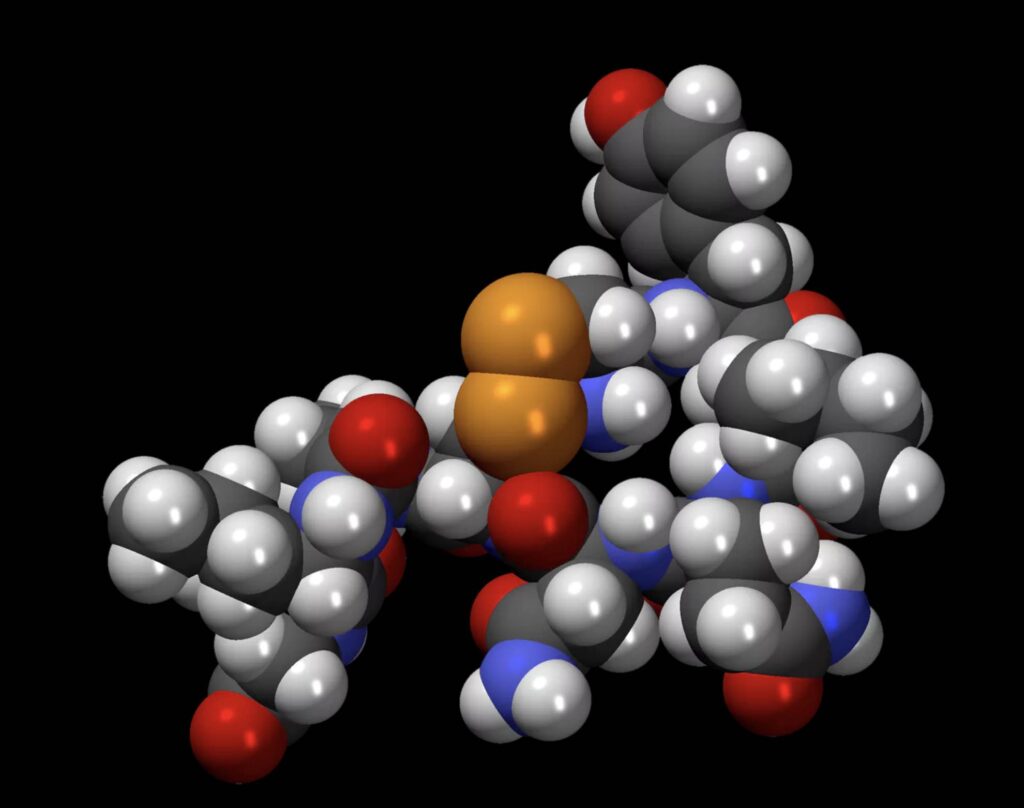
Give yourself time before checking your phone, social media and the news. It’s good to wait for cortisol peak to decrease naturally, which happens approximately one hour after waking up, before you expose yourself to external stressors.

By following these simple tips, you can train your brain to believe that the weekdays can be (nearly) as good as the weekend.

REFERENCES:

Schneider, D., & Harknett, K. (2019). Consequences of Routine Work-Schedule Instability for Worker Health and Well-Being. American Sociological Review84(1), 82–114. https://doi.org/10.1177/0003122418823184

Heintzelman, S. J., & King, L. A. (2019). Routines and Meaning in Life. Personality and Social Psychology Bulletin45(5), 688–699. https://doi.org/10.1177/0146167218795133

Tappe K, Tarves E, Oltarzewski J, Frum D. Habit formation among regular exercisers at fitness centers: an exploratory study. J Phys Act Health. 2013 May;10(4):607-13. Epub 2012 Sep 11. PMID: 22976286.

King LA, Hicks JA, Krull JL, Del Gaiso AK. Positive affect and the experience of meaning in life. J Pers Soc Psychol. 2006 Jan;90(1):179-96. doi: 10.1037/0022-3514.90.1.179. PMID: 16448317.

Heintzelman, S. J., & King, L. A. (2019). Routines and Meaning in Life. Personality and Social Psychology Bulletin45(5), 688–699. https://doi.org/10.1177/0146167218795133

Fang, Y., Forger, D.B., Frank, E. et al. Day-to-day variability in sleep parameters and depression risk: a prospective cohort study of training physicians. npj Digit. Med. 4, 28 (2021). https://doi.org/10.1038/s41746-021-00400-z

Caliandro, R.; Streng, A.A.; van Kerkhof, L.W.M.; van der Horst, G.T.J.; Chaves, I. Social Jetlag and Related Risks for Human Health: A Timely Review. Nutrients 202113, 4543. https://doi.org/10.3390/nu13124543

Kim MS, Lee YJ, Ahn RS. Day-to-day differences in cortisol levels and molar cortisol-to-DHEA ratios among working individuals. Yonsei Med J. 2010 Mar;51(2):212-8. doi: 10.3349/ymj.2010.51.2.212. Epub 2010 Feb 12. PMID: 20191012; PMCID: PMC2824866.

Evans, P., Forte, D., Jacobs, C., Fredhoi, C., Aitchison, E., Hucklebridge, F., & Clow, A. (2007). Cortisol secretory activity in older people in relation to positive and negative well-being. Psychoneuroendocrinology, 32(8-10), 922–930. https://doi.org/10.1016/j.psyneuen.2007.06.017

Edwards S, Clow A, Evans P, Hucklebridge F. Exploration of the awakening cortisol response in relation to diurnal cortisol secretory activity. Life Sci. 2001 Mar 23;68(18):2093-103. doi: 10.1016/s0024-3205(01)00996-1. PMID: 11324714.

Turakitwanakan W, Mekseepralard C, Busarakumtragul P. Effects of mindfulness meditation on serum cortisol of medical students. J Med Assoc Thai. 2013 Jan;96 Suppl 1:S90-5. PMID: 23724462

How the ‘Hug Hormone’ Helps People with Autism Form Emotional Bonds

Posted Posted in Jayne's blog

It has long been known in scientific circles that oxytocin promotes bonding between people. A study by the Neurorehabilitation Research Group of KU Leuven in Belgium has found that the external administration of oxytocin, the so-called ‘cuddle hormone’ – or ‘hug hormone’ as I prefer to call it – stimulates adult males with autism to form close emotional bonds with others. And the added bonus is that the administration of the substance also has a positive effect in the long termtoo.
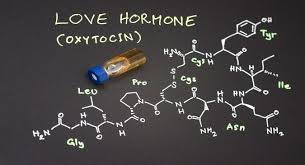
In the first phase, the scientists – led by Professor Kaat Alaerts – looked at the amount of oxytocin produced by the forty male test subjects with autism. The test subjects also completed a number of questionnaires. An analysis of the information showed an inverse relationship between the amount of oxytocin in the saliva and self-reported attachment problems. In other words, the less oxytocin the men produced themselves, the greater the attachment problems.

In a second phase, the researchers investigated possible long-term effects of the externally administered oxytocin. This test yielded remarkable results.


Also long lasting effects

In this second phase, the group of 40 test persons was divided into a test group and a control group. The test group received an oxytocin nasal spray for four weeks; the control group took a placebo [a substitute without active ingredients] for four weeks. The researchers also asked the test subjects to complete a questionnaire four times over the course of a year. They used this information to investigate the influence of externally administered oxytocin on the symptoms of autism.

There appeared to be no difference between the test group and the control group in terms of social interaction. However, in terms of repetitive behaviour – such as a need for routines – and attachment, the results turned out to be significant. The subjects in the test group – who received the oxytocin nasal spray -reported much less repetitive behaviour and also indicated that they had fewer problems establishing close relationships with others. In fact, these volunteers experienced positive effects up to a year later!

This study therefore shows for the first time the long-term effects of repeated administration of oxytocin in people with autism.

Can this be applied in practice?

Since oxytocin is already being used in medicine, you might think that it could be used fairly quickly for attachment problems or for reducing repetitive behaviours in people with autism. However, these results are the result of a first pilot study. A lot of additional research is needed before oxytocin can be used for the treatment of people with autism.

The scientists only selected male test subjects for this study and there were several reasons for this. Not only is autism much more common in men, women’s hormonal cycles can also affect test results.

In addition, oxytocin is currently already being used as a means of initiating labor or breastfeeding in pregnant women or women who have recently given birth. So there are more factors to consider with female test subjects.

REFERENCES:

Alaerts, K., et al., Amygdala–Hippocampal Connectivity Is Associated With Endogenous Levels of Oxytocin and Can Be Altered by Exogenously Administered Oxytocin in Adults With Autism. Biological Psychiatry: Cognitive Neuroscience and Neuroimaging. 2019, Volume 4, Issue 7, Pages 655-663.

https://doi.org/10.1016/j.bpsc.2019.01.008.

Bernaerts, S., Boets, B., Bosmans, G. et al. Behavioral effects of multiple-dose oxytocin treatment in autism: a randomized, placebo-controlled trial with long-term follow-up. Molecular Autism. 2020, Volume 11, Issue 6.

https://doi.org/10.1186/s13229-020-0313-1