
Pain is universal, but it isn’t equal. Some people recover quickly after an injury, while others experience lingering discomfort that seems to outstay its welcome. For decades, scientists assumed these differences were mostly psychological or hormonal. But new research is revealing a far more intricate story — one in which the immune system, not just the nervous system, plays a starring role.
A 2026 study by Jaewon Sim and colleagues has uncovered a biological mechanism that helps explain why pain duration differs between males and females. Their work doesn’t just deepen our understanding of pain; it opens a window into how our bodies heal, how stress affects recovery, and why personalised wellbeing strategies matter more than ever.
The Immune System’s Unexpected Role in Pain
When we think of pain, we picture nerves firing, not immune cells circulating. Yet the immune system is deeply involved in how pain begins, intensifies, and eventually fades.
Sim and colleagues focused on monocytes, a type of white blood cell that rushes to sites of injury or inflammation. These cells release a cocktail of chemical signals — some that amplify pain, and others that help resolve it.
One molecule in particular stood out: interleukin‑10 (IL‑10).
IL‑10 is often described as an “anti‑inflammatory peacekeeper.” It calms overactive immune responses and helps tissues return to balance. But the study revealed something more nuanced: IL‑10 doesn’t behave the same way in males and females, and this difference shapes how long pain persists.
A Biological Basis for Sex Differences in Pain
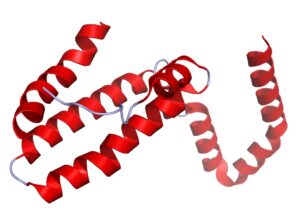
The researchers discovered that male and female monocytes produce IL‑10 differently, and this leads to distinct pain trajectories:
- In one sex, IL‑10 is released in a way that efficiently resolves inflammation, shortening the duration of pain.
- In the other, IL‑10 production is less effective or differently timed, allowing pain signals to linger.
This isn’t about one sex being “better” at healing than the other — it’s about different immune strategies, shaped by evolution, hormones, and cellular communication patterns.
The takeaway is profound: Pain duration isn’t just psychological or hormonal — it’s immunological.
Why This Matters for Everyday Wellbeing
Understanding the immune system’s role in pain opens up new ways to think about self‑care, resilience, and recovery.
- Your Body’s Stress Response Shapes Pain
Stress hormones influence immune cells, including monocytes. Chronic stress can disrupt IL‑10 production, making it harder for the body to “switch off” pain.
This means practices that regulate stress — mindfulness, sleep hygiene, breathwork, social connection — aren’t just feel‑good add‑ons. They’re biological tools that help your immune system resolve pain more effectively.
- Men and Women May Need Different Recovery Strategies
Because IL‑10 behaves differently across sexes, the most effective pain‑management approaches may differ too. This doesn’t mean one-size-fits-all advice is useless — but it does mean personalised wellbeing is the future.
- Inflammation Is a Whole‑Body Experience
Pain isn’t isolated to the site of injury. It’s a systemic conversation between immune cells, nerves, and the brain. Supporting your immune system through nutrition, movement, and rest can meaningfully influence how long pain sticks around.
The Science of Healing: A New Frontier
The study by Sim et al. is part of a growing movement in science: understanding health not as a set of isolated systems, but as an interconnected network.
Pain, immunity, stress, and wellbeing are not separate chapters — they’re one story.
This research suggests that future therapies might:
- Target monocytes directly
- Boost or modulate IL‑10 production
- Tailor treatments based on sex‑specific immune responses
But you don’t need futuristic medicine to benefit from these insights today. Simply recognising that your immune system plays a role in pain can shift how you approach recovery.
What This Means for You

If you’ve ever wondered why your pain lasts longer than someone else’s, or why recovery feels unpredictable, this research offers a compassionate reminder:
Your body isn’t failing you — it’s following its own biological script.
And that script is shaped by:
- Your immune system
- Your stress levels
- Your environment
- Your sex-specific biology
- Your lifestyle habits
Understanding these factors empowers you to work with your body rather than against it.
A More Human Understanding of Pain
Pain is not just a signal; it’s a story your body is telling about healing, protection, and balance. The discovery that monocyte‑derived IL‑10 drives sex differences in pain duration adds a new chapter to that story — one that blends cutting‑edge immunology with practical insights for everyday wellbeing.
Science is showing us that healing is not linear, not identical across individuals, and not purely neurological. It is a dynamic dance between the immune system and the nervous system, influenced by biology, stress, and environment.
And that means the path to feeling better is both deeply personal and deeply biological — a reminder that self‑development and self‑care are not luxuries, but essential partners in the science of healing.
REFERENCE:
Jaewon Sim et al., Monocyte-derived IL-10 drives sex differences in pain duration. Sci. Immunol. (2026) 11, eadx0292. DOI:10.1126/sciimmunol.adx0292