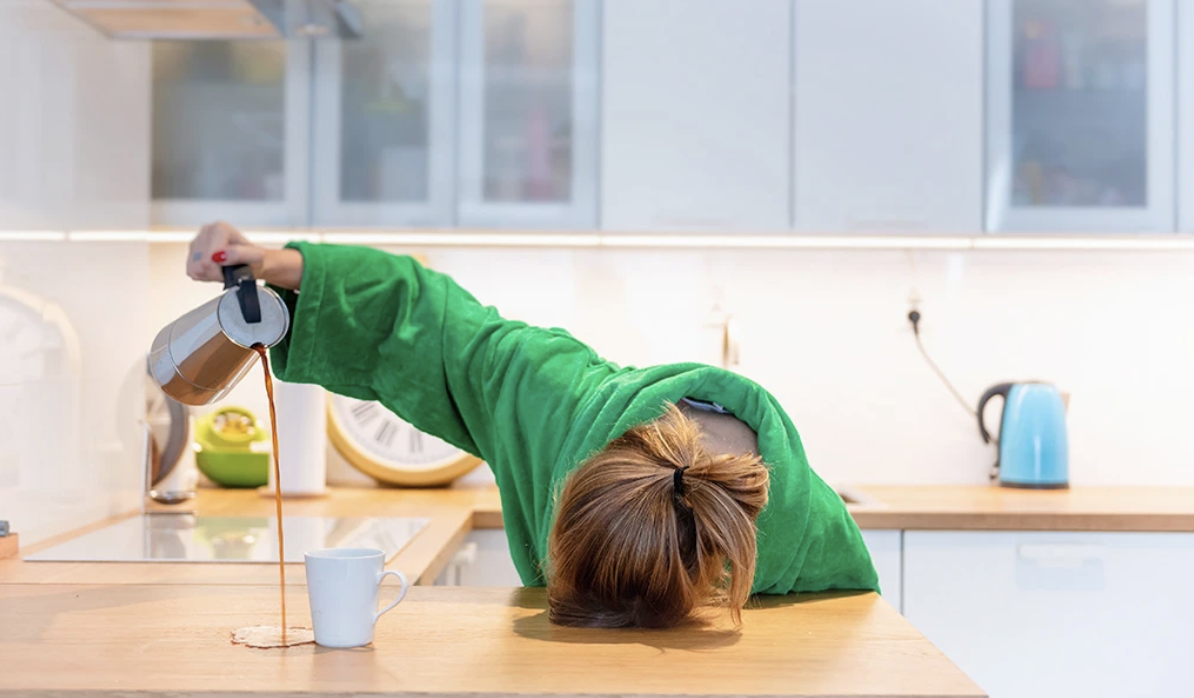
Are you tired?
You may be looking around and thinking, “I get 8 hours of sleep every night, what’s wrong with me?”
Well, first—I am so happy that you’re getting adequate sleep! 7-9 hours of sleep is recommended for adults; if you’ve struggled with sleep, then you know that you can sleep 8 hours and not feel rested. While rest is supposed to be the product of sleep, that isn’t always how it works when we are impaired by stress or mental illness. Also, sleep is most closely linked to physical rest and we often need more than that.
Feeling tired may have nothing to do with not getting enough sleep. There are 7 different kinds of rest that you need: physical, mental, emotional, spiritual, social, sensory, and creative. Each one requires unique activities to help reduce the rest deficit.
Physical Rest
 There are both passive and active forms of physical rest.
Sleeping and napping are the two most common forms of passive rest. To maximise the likelihood of getting restful sleep, make sure that you follow a sound sleep protocol (e.g. consistent bedtime, control your bedroom temperature, not drinking caffeine late in the day, wind-down routine so that you’re not working on the computer then diving straight into bed).
Active physical rest includes activities like stretching or yoga, breathing exercises, progressive muscle relaxation, hot baths, and massages.
The type of physical rest you require will depend on where and how much strain you carry in your body. For instance, if you spend a lot of your day sitting, you can have a build-up of tension in your back, shoulders, neck, and hips. It can be helpful to do, for example, Yin Yoga in the evenings to stretch everything out and provide relief.
Watch out for signs that you need physical rest, such as lacking the energy to make it through the day, feeling tired but having difficulty falling asleep, weakened immune system, frequent muscle pain and soreness, reliance on substances to give you energy (e.g. energy drinks, coffee, sugar), and depending on substances to give you more rest (e.g. alcohol or drugs).
Mental Rest
 Next up is mental rest—who doesn’t need some of that with all of the stress we have in our lives and with the covid pandemic! Mental fatigue can result from a variety of things including negative self-talk, over-thinking, anxious what-if thinking, being stuck in the past, and judgements.
Signs that you may need mental rest include irritability or decreased frustration tolerance, avoiding activities, feeling like you’re in a mental fog throughout the day, and feeling overwhelmed by daily tasks.
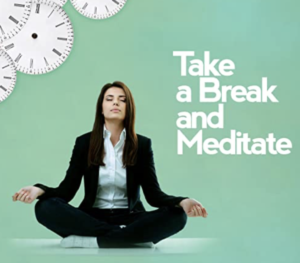 One way to ease the mental load is through use of good time management skills. Remember to take into account not only the amount of time the task takes, but the emotional load of the task as well. There are things that we do that may not take that much time, but we will need time before or after the event due to the strain on our minds or emotions. For example, spending 1 hour folding the washing is different from spending 1 hour caring for an ill family member. The effective time for the family member activity might be
3 hours because you may feel sad afterwards or you might feel anxious beforehand wondering if it will be a good day or a bad day for them.
Another thing you can do to help get mental rest is meditate. Giving yourself little meditation breaks throughout the day is a great way to improve your mental stamina.
Emotional Rest
Where are you spending your emotional energy? Were you anxious while watching the news? Did you have a conflict with a co-worker? Is your teenager being a pain in the bum? Was the recent death of your pet on your mind? Are you finding yourself feeling increasingly inadequate?
Some signs that you may be experiencing an emotional rest deficit include beating ourselves up for small mistakes, excessive worry or anxiety, feelings of self doubt, and over-apologising.
 The first step in getting more emotional rest is being mindful of your environment. Emotions are contagious! Are you around people who complain all the time or are judgmental? As best you can, modify these environments by removing unnecessary negativity and coping ahead for when you have to be in stressful situations.
Emotional awareness is key for identifying emotional drains and emotional restorers. You may feel drained by a friend who constantly moans about her problems without even asking how you are. But you might feel restored by a walk in the woods. Just start to become aware of what restores you – and what drains you – so that you can take action to spend as little time as possible with the drainers.
 Another thing that is helpful in reducing the amount of (social) comparisons that you do. You probably wouldn’t be surprised that many of us engage in emotionally draining comparisons several times a day. Are you scrolling through social media, comparing your looks, your skills, and your furniture choices to those you see on Facebook and Instagram? Stop it, it’s creating more of a deficit for you.
Spiritual Rest
 Spirituality is broad. It can include organised religious practices, but spiritual rest can simply be about connecting with something greater than yourself. It could include prayer or a spiritual practice. But basically anything that gives you a sense of belonging, a sense of purpose and feeling connected to that ‘something bigger’ means you’re on the right track.
Social Rest
A social rest deficit occurs when we fail to differentiate between relationships that restore us and relationships that drain us. It can also occur when we are engaging in too much or too little social interaction.
Signs that you have a social rest deficit include feeling alone, feeling detached, finding it hard to maintain close relationships, isolating from others, or finding that you are attracted to those that mistreat/take advantage of you.
If you’re by nature an introvert and yet you’re involved with people all day then you’ll probably benefit from alone time at the end of your day. Without it you might start to feel shut down or disconnected from others because you’ve not had had enough time to recharge. This may all sound counterintuitive, but that’s why you have to listen to your social needs and not compare yourself to others. Someone who is by nature an extrovert might feel rejuvenated adfter a day’s work by having a busy, social evening. This would leave an introvert downright exhausted ;=)
 But do remember that your social circles – be it a club, a group of friends or a team sport – help to deepen relationships and make you feel more connected. People are dynamic and it’s important to embrace all of your social needs. Whatever you’re into, there is a group of people who like the same thing—and that can feed your social rest need too.
Sensory Rest
Sensory rest is about giving your senses a break. People need sensory rest when they overwhelm their senses with constant stimuli.
 You want to think in terms of each of your 5 senses. If you live in a big city, it can be brutally loud, assault you with a myriad of smells from delicious to disgusting, cram you in like sardines during a bus ride, and always have something to look at between the people, cars, buildings, and randomness on every corner. Needless to say, sensory overload can occur!
How to cope with this? Unplug. Spend some time away from your ‘devices’ (laptop, computer, iPad, tablet, mobile phone). Read a physical book instead. Turn off the lights with nothing but silence in the background. If you notice you’ve eaten nothing but bread all day, throw in a vegetable. Listen to your senses—give the one(s) that appear agitated a break.
Creative Rest
 If you’ve ever felt like you’re just out of good ideas, you’ve experienced being creatively drained. Most people experience it as being uninspired or feeling blocked from your creative juices. And if you’ve been there, you know that pushing through doesn’t always work.
For many, when we hear creative rest we may think, “I’m not creative,” or “I’m not an artist, musician, or actor.” Think about creativity more broadly that that. Creativity doesn’t have to be about drawing or painting! It could be also about cooking, putting together a party, thinking up a gift for the colleague that’s leaving, revamping your bathroom…. Creativity is our ability to be innovative, think outside the box, or be inventive. People require creative rest when they feel stuck, uninspired, and unable to generate new ideas or solutions to problems. The key here is to remove the requirement to produce and get involved with activities that inspire you.
So dear readers: go forth and rest!